What It’s Like To Live In Corona
May 28, 2026
May 28, 2026
If you are thinking about moving to Corona, you probably want to know one simple thing: what does daily life actually feel like there? That is a smart question, because Corona is not a one-size-fits-all city. It offers a suburban setting, strong commuter access, parks and trails, and a mix of older areas and planned communities. If you want a clear picture of what to expect before you make a move, this guide will walk you through it. Let’s dive in.
Corona is best understood as a suburban Inland Empire city with a historic identity and strong freeway access. It sits near the junction of the 91 and 15 freeways, close to the Orange County border, which shapes a lot of how people live, work, and get around.
The city is also known for its "Circle City" roots. Its name and early layout are tied to Grand Boulevard, the circular street pattern that helped define the original townsite. That historic layer still matters today, especially as the city works to make parts of downtown safer and more walkable.
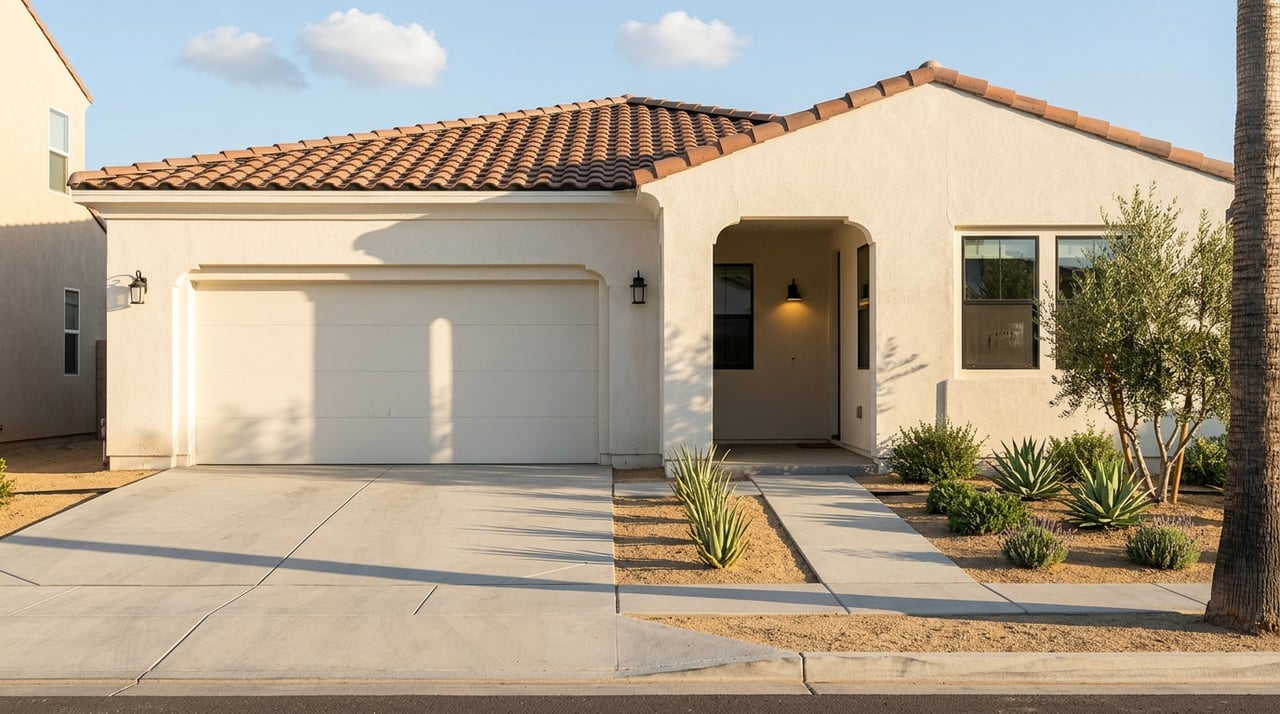
In everyday terms, living in Corona often means you get a mix of suburban convenience and local character. You are not moving to a dense urban core, but you are also not limited to one type of housing, one type of shopping area, or one kind of weekend routine.
For many people, the first thing they notice about Corona is how practical it feels. The city has a car-oriented layout, major retail clusters, neighborhood services spread across town, and easy freeway connections that support commuting and everyday errands.
That does not mean everything revolves around the car alone. Corona also has bus and rail options that give some residents more flexibility, especially if your schedule lines up with station access or regional routes.
This balance is a big part of Corona’s appeal. You get the space and rhythm many buyers look for in a suburban city, along with enough infrastructure to support a range of lifestyles.
One of the stronger parts of life in Corona is access to outdoor space. The city reports more than 394 acres of parks, with sports fields, playgrounds, tennis courts, two skateparks, and an outdoor pool.
That matters because the recreation options are not tucked into just one pocket of town. Parks and facilities are spread across Corona, including places like City Park, Eagle Glen Park, Promenade Park, Santana Park, and Serfas Club Park. Depending on where you live, that can make it easier to build parks, play areas, and outdoor routines into daily life.
City Park is a good example of how Corona blends history with current investment. It is the city’s oldest and most centrally located park, first established in 1913.
Today, it also represents Corona’s efforts to improve public space through its City Park Master Plan. For residents, that means the older civic core is not just a historic reference point. It is still part of how the city is evolving.
Corona’s trail planning is another reason outdoor access stands out here. The city’s Trails Master Plan lays out a vision to connect local destinations, regional trails, and the Cleveland National Forest.
The city also points to planning around the Butterfield Trail, Santa Ana River Trail, and Skyline areas. That tells you trails are not treated like an afterthought. They are part of a broader long-term vision for how people move through and enjoy the city.
If you live in Corona, commuting is likely to be part of your routine planning. Because the city is positioned at the 91 and 15 freeways, driving is the default for many trips, whether you are heading across town, into Orange County, or toward other parts of the Inland Empire.
For some buyers, that freeway access is a major plus. It makes Corona a practical option for people who want a suburban home base while staying connected to nearby job centers and regional destinations.
Corona is still a car-centered city, but it does offer transit options. The Corona Cruiser operates fixed bus routes and connects riders to City Hall, the public library, the Fender Museum, the Senior Center, major shopping centers, hospitals, Riverside Transit Agency routes, North Main Metrolink, and park-and-ride lots.
That network may not replace driving for everyone, but it can help with specific daily needs. It also gives some residents another option for reaching rail stations or local destinations.
Rail is a real part of the picture for certain commuters. Corona-North Main and Corona-West both serve the 91/Perris Valley and Inland Empire-Orange County lines.
Both stations offer free parking for Metrolink riders. If your work or travel patterns fit those routes, living in Corona can give you a useful rail option that supports trips toward places like Fullerton and Los Angeles Union Station.
Corona’s shopping and dining scene is shaped by a few distinct patterns. You will find everyday retail spread across the city, but the biggest concentrated shopping and entertainment hubs are near the I-15 corridor.
That creates a local lifestyle that feels practical during the week and more destination-driven on weekends. Depending on where you live, you may use neighborhood commercial areas for quick errands and larger retail centers for dining, entertainment, or extended outings.
Two major names come up often when people talk about Corona shopping and dining: The Crossings at Corona and The Shops at Dos Lagos. The city describes both as concentrated shopping and entertainment destinations.
The Crossings includes more than 65 stores along with dining and movie options. Dos Lagos has a slightly different identity, with destination dining, entertainment, events, an amphitheater, and a setting tied to the area’s historic Temescal Tin Mines and Butterfield Stage Coach Route site.
Downtown Corona adds another layer that feels different from the larger retail centers. The city’s Downtown Revitalization Plan is focused on creating a stronger downtown district and a more active destination for residents and visitors.
That is useful context if you are looking for a city with more than one commercial experience. In Corona, you get the older historic core, larger freeway-adjacent lifestyle centers, and everyday shopping corridors in between.
Corona is not a city where every neighborhood feels the same. Its planning documents point to a variety of housing types and multiple planned districts, including Sierra Del Oro, Eagle Glen, Dos Lagos, Green River Ranch, Arantine Hills, North Main Street, and Downtown Corona.
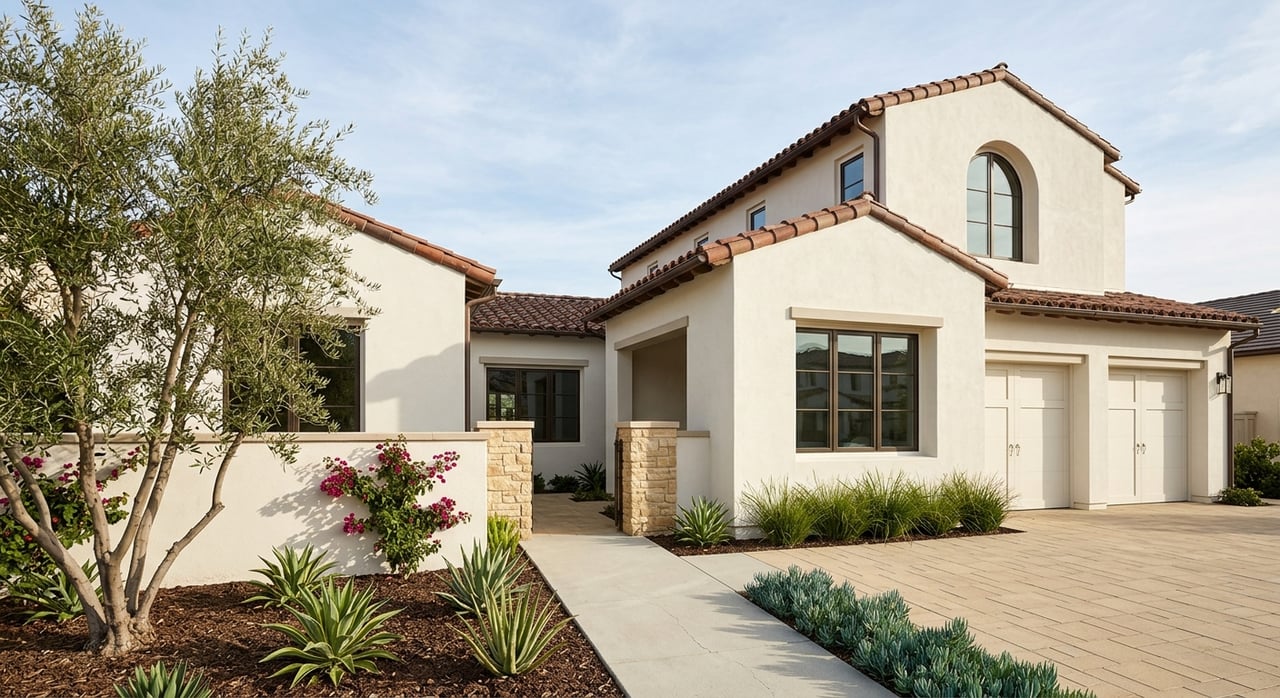
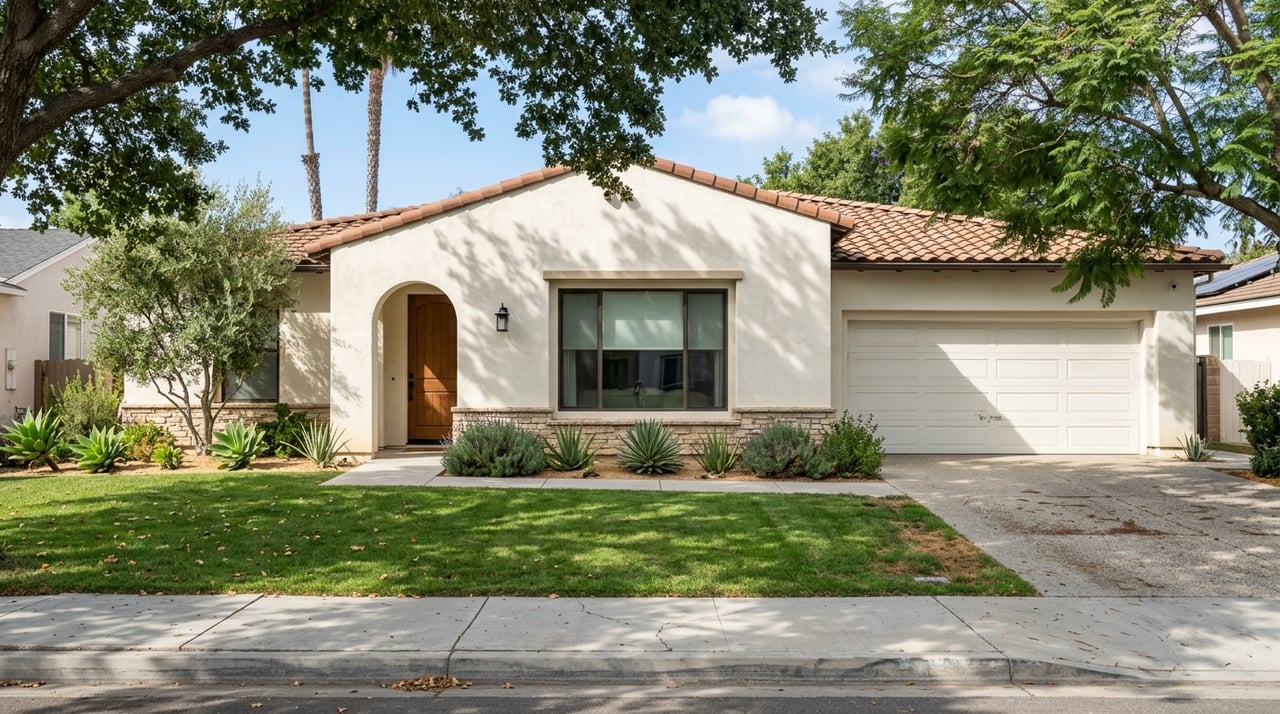
That variety is important if you are trying to match your lifestyle to the right part of the city. Some areas are more hillside-oriented, some are part of larger planned communities, and some are closer to older parts of town or newer mixed housing formats.
Corona’s housing plans focus on increasing supply and broadening the mix of housing types. In practical terms, that means the city includes more than detached single-family homes alone.
Current planning documents also reference family housing, supportive housing, and assisted senior living projects. So while many buyers may picture classic suburban neighborhoods first, the broader housing story includes a wider range of formats in selected plan areas.
Sierra Del Oro is one of the clearest examples of a distinct neighborhood setting within Corona. The city places it on the west side of Corona at the foot of the Cleveland National Forest, with Green River Road connecting the area to the 91 Freeway.
The city also notes that many homes there have steep slopes or hills behind them. That gives the area a more topographically distinctive feel compared with flatter parts of the city.
Corona can be a strong fit if you want a suburban lifestyle with options. You may appreciate it if you want parks and trails nearby, a range of housing areas to explore, and shopping and dining that cover both everyday needs and weekend outings.
It can also make sense if freeway access matters to your routine. Buyers who need to stay connected to other parts of Riverside County, Orange County, or regional job centers often look closely at Corona because of that location advantage.
At the same time, it helps to go in with the right expectations. Corona is not best described as a compact, fully walkable downtown city. It is better understood as a freeway-connected suburban city with a historic core, recreation options, and several distinct residential areas.
The biggest key to living well in Corona is choosing the right area for your priorities. Your day-to-day experience can feel different depending on whether you want easier freeway access, proximity to parks, closeness to retail hubs, or a neighborhood with a more specific physical setting.
That is where local guidance matters. When you understand how the city is laid out, it becomes much easier to narrow your search and focus on the parts of Corona that fit your routine, commute, and housing goals.
If you are considering a move to Corona or planning to sell in the area, working with a team that understands neighborhood differences, home condition, and value potential can make the process much smoother. Jeremy and Nhi Hubacek- bring hands-on local insight and practical real estate guidance to help you move with confidence.
Stay up to date on the latest real estate trends.
We pride ourselves in providing personalized solutions that bring our clients closer to their dream properties and enhance their long-term wealth. Contact us today to discuss all your real estate needs!
THE HOME EXPERT GROUP
5053 LA MART DR STE 206 RIVERSIDE, CA 92507 Jeremy Hubacek | CA DRE# 02039207