Corona Pool Home Selling: Smart Prep and Marketing
June 25, 2026
June 25, 2026
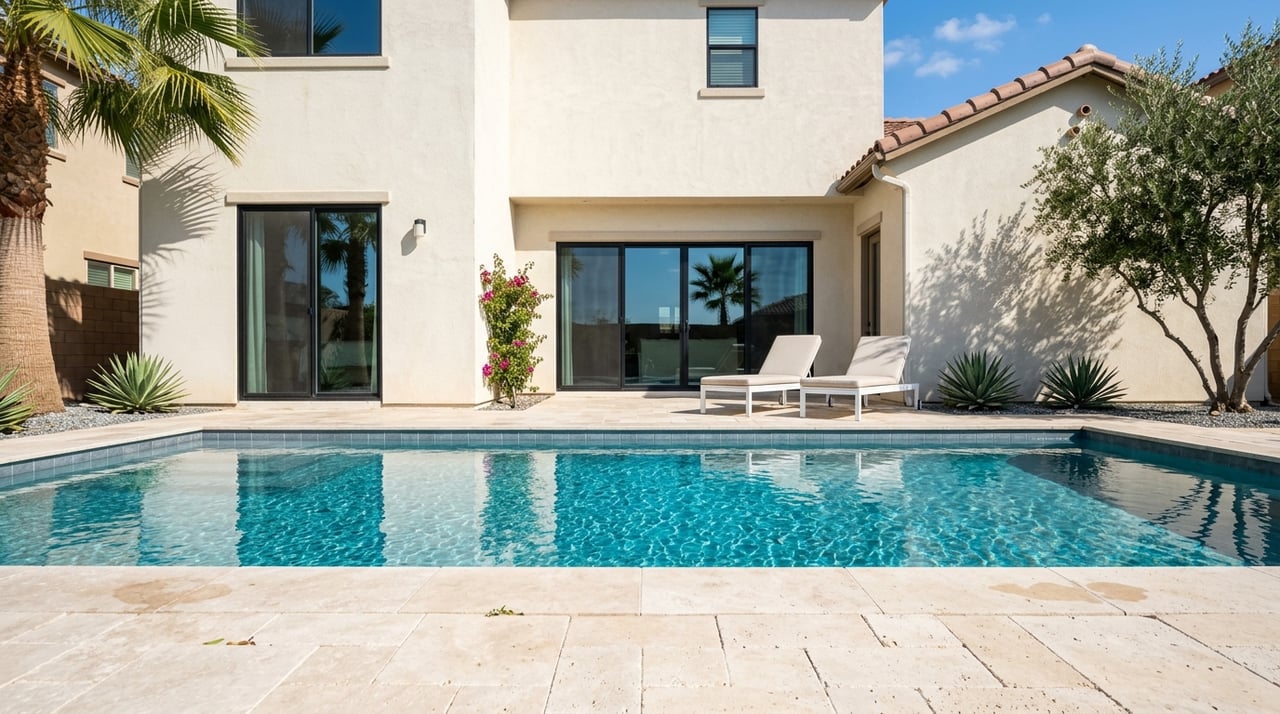
If you are selling a pool home in Corona, you are not just selling square footage. You are selling how the home lives on a warm afternoon, how the backyard feels at dusk, and whether buyers see the pool as a highlight or a future headache. With Corona homes taking about 44 days to sell on average and the median sale price around $800,000, presentation still matters in a seller-leaning market. This guide will help you prep the property, handle key pool-related checks, and market the home in a way that fits Corona buyers and local conditions. Let’s dive in.
A pool can absolutely add appeal in Corona, but only when it feels clean, functional, and easy to enjoy. Buyers often make quick judgments based on maintenance, safety, and how much work the backyard seems to require.
That matters even more in Corona’s climate. Local data show a major heat factor for many properties, which makes outdoor living more relevant, but the area also has meaningful wildfire risk. So the best pool-home presentation balances lifestyle, upkeep, and a clean, fire-aware exterior.
Before photos, staging, or pricing conversations, verify the paper trail. In Corona, Planning & Development handles swimming pool permits, and the city offers a Building Division permit history search.
This is one of the smartest early steps you can take. If a prior owner added or changed pool-related features such as fencing, decking, plumbing, or electrical work, checking permit history now can help you avoid surprises once escrow starts.
For sellers, this step is especially valuable because pool homes often have more backyard improvements than non-pool properties. A missing permit does not get easier to solve later.
California’s Swimming Pool Safety Act matters when a pool or spa at a private single-family home was newly built or remodeled under permit. State law requires at least two of seven drowning-prevention safety features, and those features must be inspected by the local building code official before final approval.
The practical takeaway is simple. Before your home goes live, check visible safety equipment, gate latches, barriers, and any other required safety features tied to permitted work.
Even if your pool is older, buyers notice safety issues fast. A gate that does not latch properly or a visibly broken barrier can create doubt about the rest of the property.
Pool homes invite scrutiny because buyers know water, equipment, and exterior surfaces all need upkeep. If your pool has a leak history, cracked decking, worn coping, broken gates, or equipment that is malfunctioning, it is better to address those items early or prepare for clear disclosure.
California’s Transfer Disclosure Statement covers the property’s physical condition and known hazards or defects. That means known pool problems should not be brushed aside.
In practical terms, save invoices, service records, and repair details. Good documentation can make a buyer more comfortable, especially when the home shows well and the seller appears organized and transparent.
Some sellers assume draining a pool is a simple cleanup step before listing. In Corona, it is not something to treat casually.
The city requires owners to contact Public Works first if the pool needs to be drained. An inspector tests chlorination and directs whether discharge should go to the sewer or storm drain, and any approved storm drain discharge must meet the city’s water-quality thresholds.
If draining is truly necessary for repair or cleanup, follow the city’s process. Do not improvise, and do not frame draining as a basic cosmetic shortcut.
The best Corona pool listings make the yard feel usable, calm, and intentional. Buyers should see the backyard as an extension of the home, not a collection of scattered furniture, toys, hoses, and visible maintenance items.
Start with the basics:
These steps are simple, but they have an outsized impact in photos and showings. A tidy pool area helps buyers focus on the lifestyle, not the workload.
In Corona, backyard prep should also reflect wildfire readiness and low-maintenance appeal. CAL FIRE recommends keeping the first five feet from the home ember-resistant with hardscape such as gravel, pavers, or concrete, and removing dead plants, leaves, and debris from roofs, gutters, decks, and similar areas.
Corona Fire also emphasizes defensible space, home hardening, and fire-resistant materials. For sellers, that means the pool deck, planter beds, equipment pad, and perimeter landscaping should look clean and controlled.
You do not need an elaborate redesign to make this work. In many cases, simplifying overgrown areas, removing combustible debris, and creating clearer sightlines can make the entire backyard photograph better and feel easier to maintain.
This will not apply to every property, but it is worth checking early. California Civil Code 1102.19 can require defensible-space documentation for homes located in High or Very High Fire Hazard Severity Zones.
Corona Fire provides resources that point homeowners to a Fire Hazard Severity Zone Map and AB 38 property sale information. Because this is parcel-specific, treat it as a targeted due diligence item rather than a universal rule.
If your property falls into one of those zones, confirming the requirement early can help protect your timeline.
A strong pool-home presentation is usually less about adding more and more decor. It is more about helping buyers understand the layout and imagine everyday use.
Aim for a backyard with clear sightlines, healthy but not overgrown landscaping, and enough open space for the water to remain the focal point. Shade, seating, and the connection between the indoor living area and the pool should read clearly.
If the equipment is especially noisy, visibly patched, or dated, address that before photography if possible. Buyers may not know the technical details, but they notice when something looks tired.
In Corona, a pool should be marketed as an outdoor lifestyle asset, not just a backyard amenity. That distinction matters because buyers are comparing similar homes, and the backyard often becomes a major value driver.
Your listing should tell a story about comfort, function, and day-to-day enjoyment. The pool is not just water in the yard. It is a place to cool off, relax, entertain, and extend the livable space of the home.
That story works best when the backyard already feels polished. Marketing cannot fully overcome deferred maintenance, clutter, or safety concerns.
Professional visuals matter for any listing, but they matter even more for a pool home. The pool should feel inviting, not harsh or overly busy.
The most useful photo and marketing angles usually include:
Twilight photos can help the water look calm and elevated. Daytime photos should emphasize clarity, openness, and a bright, tidy exterior.
There is no single perfect week to list a pool home, but seasonality does matter. Climate patterns from nearby Anaheim show average daily maximum temperatures rising from about 71 degrees in January to 81.7 degrees in June and 88.8 degrees in August.
Combined with Corona’s heat profile, that makes late spring through early summer a practical window for launching photos and the listing. During that time, the pool is easier for buyers to picture as a real part of daily life.
That said, timing should support the condition of the property, not override it. A well-prepped home launched at the right moment usually outperforms a rushed listing with avoidable issues.
When buyers tour a Corona pool home, they tend to notice a few things right away. They look at water clarity, surface condition, safety, privacy, and whether the yard feels like too much work.
They also pay attention to subtler signals. A clean equipment area, working gates, organized seating, and a simple landscape plan can all make the property feel better maintained.
This is where thoughtful prep pays off. Small details can shape whether buyers view the pool as a premium feature or a negotiation point.
Corona remains a solid market for sellers, but the numbers still show that homes need positioning. With homes selling around 1% below list on average and taking about 44 days to sell, strong prep and marketing can reduce friction.
For a pool home, that often means combining practical repair guidance, selective presale improvements, and polished listing presentation. Sellers usually get the best results when they treat the pool area as part of the home’s value story, not an afterthought.
That is especially true in a market where buyers have choices and visual presentation helps shape perceived value from the very first click.
If you want a practical plan for selling your Corona pool home, from presale prep to polished marketing, Jeremy and Nhi Hubacek- can help you identify the right updates, manage the details, and bring the property to market with a stronger presentation.
Stay up to date on the latest real estate trends.
We pride ourselves in providing personalized solutions that bring our clients closer to their dream properties and enhance their long-term wealth. Contact us today to discuss all your real estate needs!
THE HOME EXPERT GROUP
5053 LA MART DR STE 206 RIVERSIDE, CA 92507 Jeremy Hubacek | CA DRE# 02039207