Riverside Renovation ROI: Smart Updates Before You Sell
June 11, 2026
June 11, 2026
Wondering where to spend money before you sell in Riverside? That question matters more than ever when buyers still notice presentation, but not every renovation pays you back. If you want to improve your sale price without over-improving the house, this guide will help you focus on the updates that tend to matter most in Riverside and avoid the ones that often eat into your net. Let’s dive in.
Riverside’s market was still active as of April 2026, with a median sale price of $629,675, about 42 days on market, and 45.5% of homes selling above list price. That tells you buyers are engaged, but it does not mean every dollar spent on renovation will come back to you.
In this kind of market, the smartest approach is usually not a luxury overhaul. It is a focused, resale-driven plan that improves condition, presentation, and buyer confidence without creating a long timeline or permit-heavy scope.
That is especially important in Riverside because much of the housing stock is older. City housing data shows about 76% of homes were built before 1990, with many built in the 1970s, so buyers often pay close attention to visible wear, dated finishes, roofing concerns, and practical functionality.
Before you think about paint colors or backsplash tile, take care of the issues that can raise red flags. In older Riverside homes, that often means looking at electrical capacity, roofing, and any visible maintenance problems that suggest the home has been neglected.
These updates may not feel exciting, but they protect your sale. Buyers are often more willing to pay strong prices when the home feels solid, cared for, and move-in ready.
If you are planning any construction, keep Riverside permit rules in mind. The city says permits are required for most electrical, plumbing, and mechanical work, and unpermitted work can reduce property value and may affect insurance coverage.
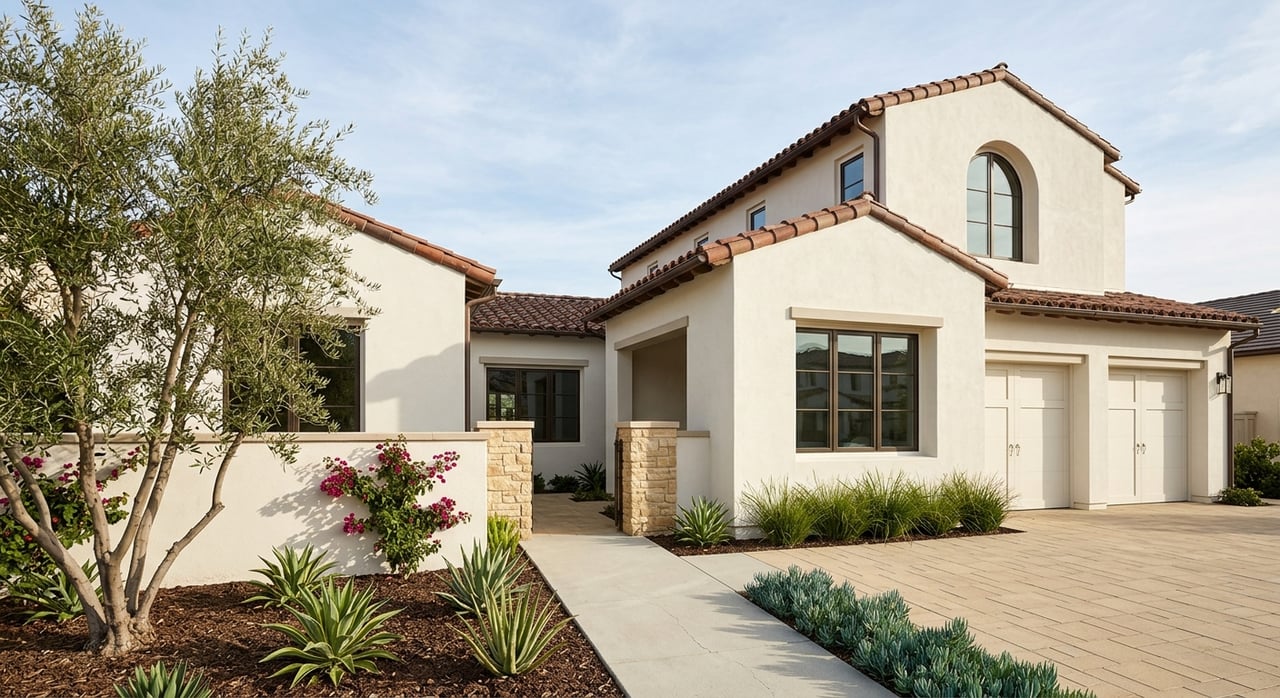
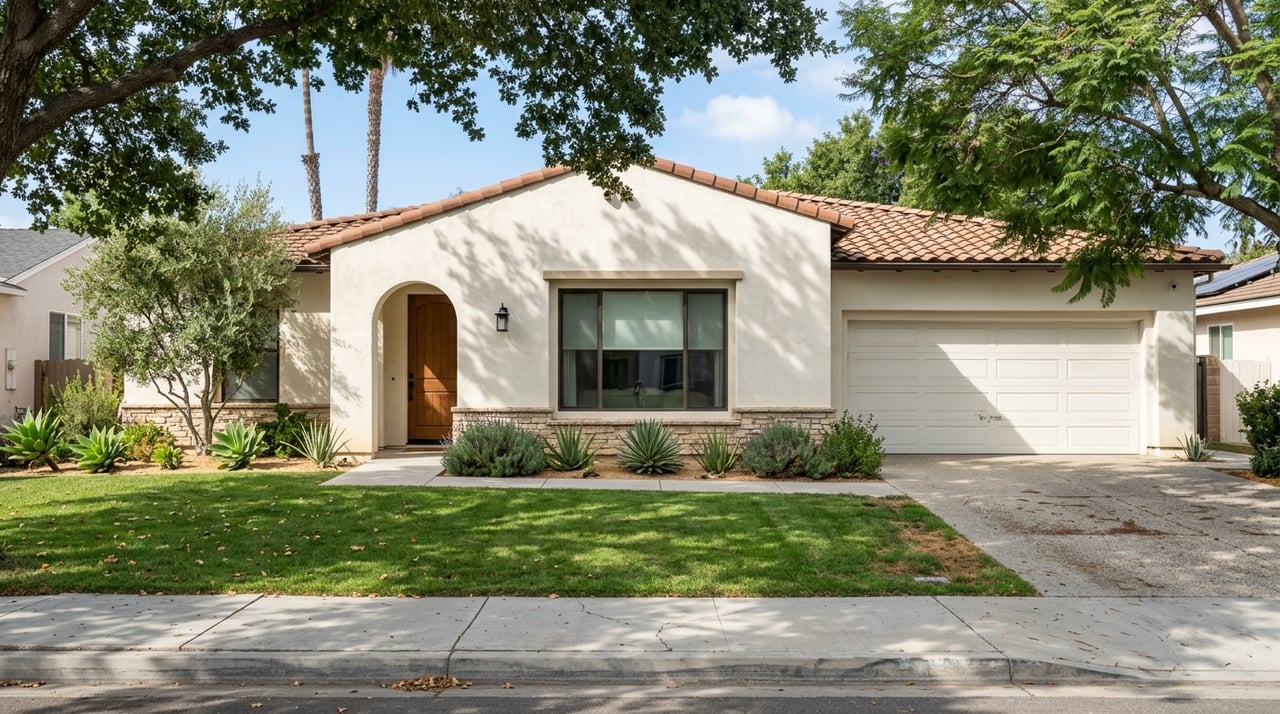
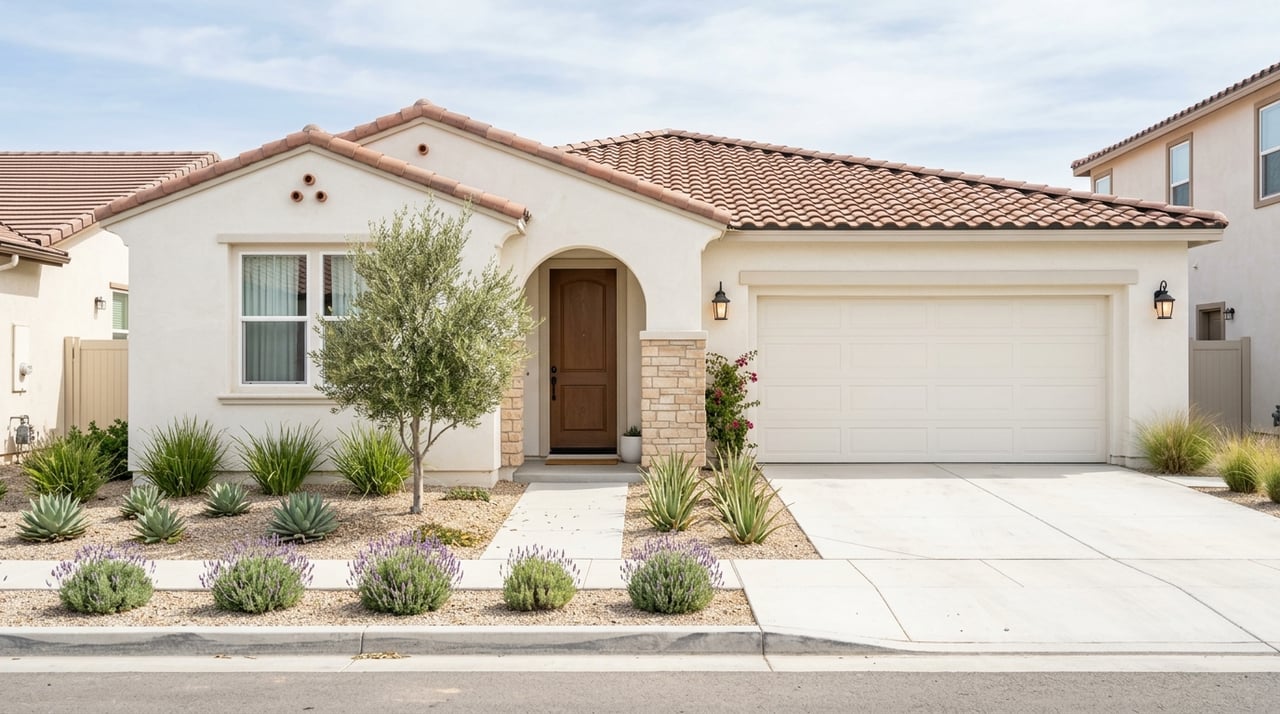
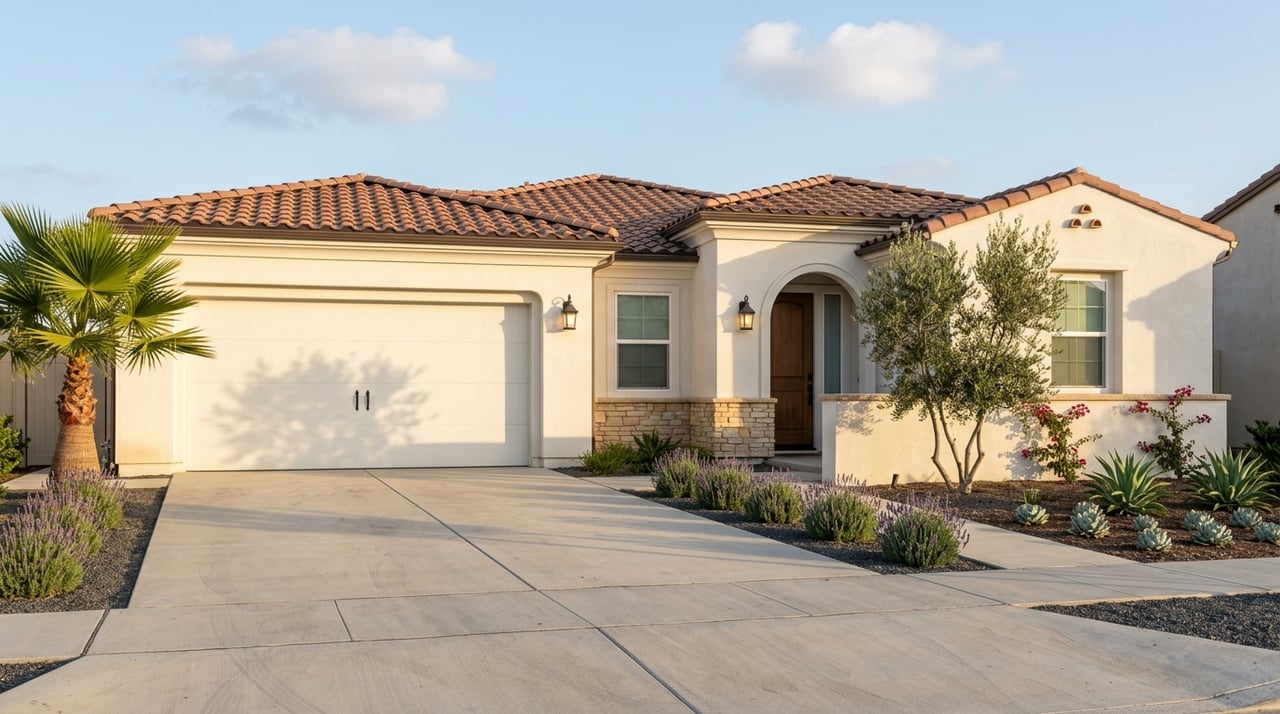
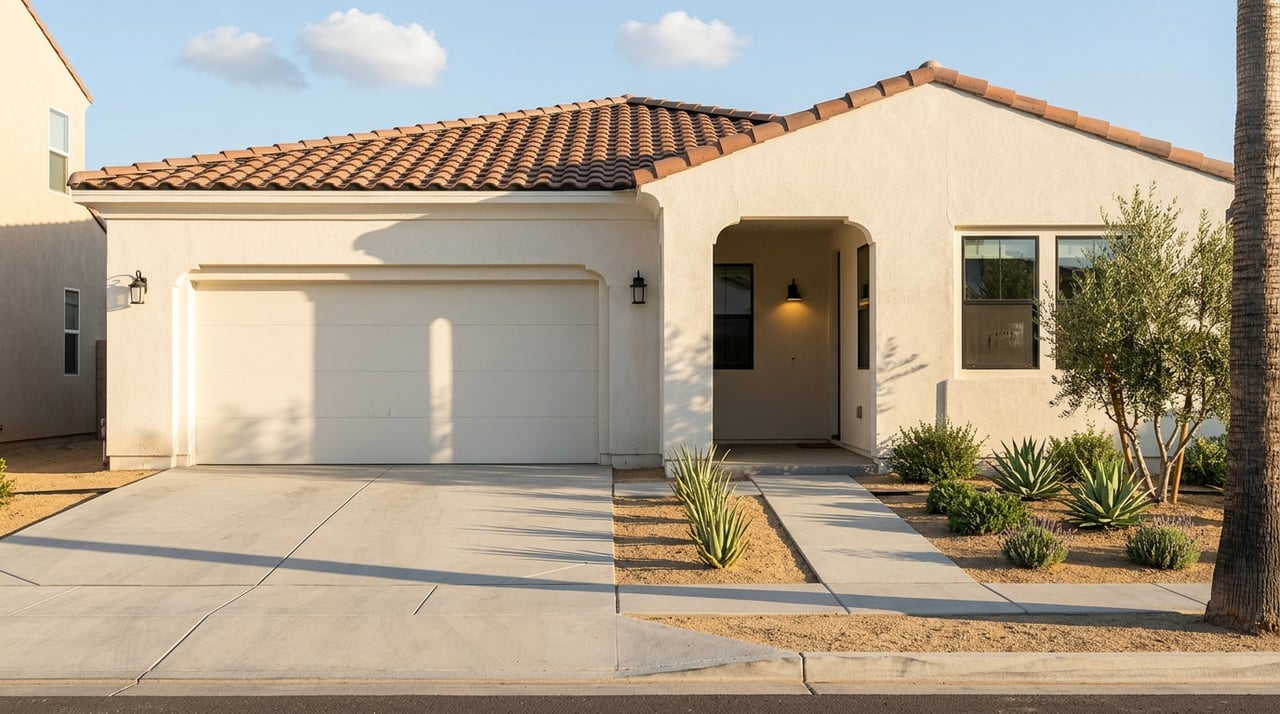
If you have a limited budget, the exterior is often the best place to begin. First impressions shape how buyers feel before they even walk through the front door.
Regional cost-versus-value data for the Pacific market shows some of the strongest resale returns come from curb-appeal projects. Garage door replacement recouped 250.7% of cost, steel entry-door replacement recouped 249.9%, manufactured stone veneer recouped 203.5%, and fiberglass grand entrance updates recouped 136.6%.
That does not mean you need to do every exterior project. It means highly visible improvements tend to outperform hidden upgrades when your goal is resale.
For many Riverside sellers, the most practical exterior priorities include:
NAR’s 2025 Remodeling Impact Report also found that painting the entire home was the top seller-prep recommendation, and roof replacement was among the most commonly recommended projects. In real life, buyers notice faded paint, worn trim, and roof issues right away.
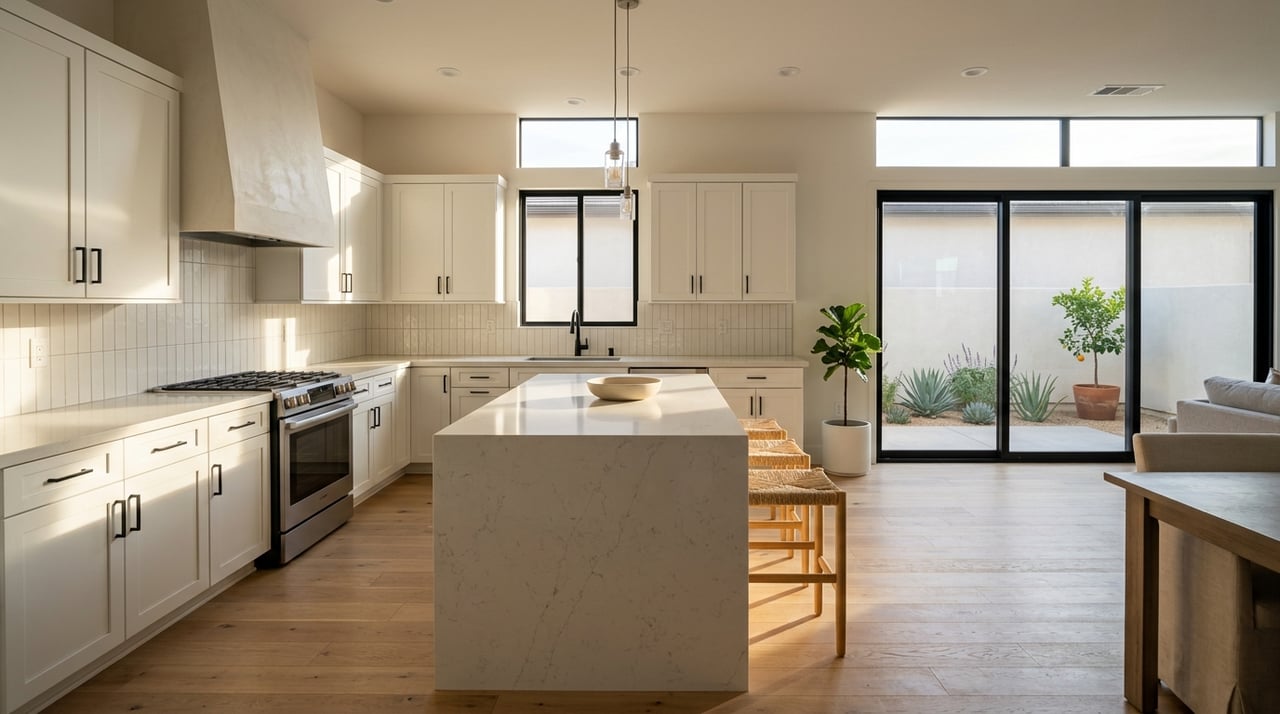
The kitchen is often the most important room in the house when you are selling. But the numbers suggest that scope matters more than ambition.
In the Pacific region, a midrange minor kitchen remodel recouped 134.3% of cost. By comparison, a midrange major kitchen remodel recouped 67.8%, and an upscale major kitchen remodel recouped only 54.6%.
That is a clear signal for Riverside sellers. A smart kitchen refresh often beats a full gut renovation when you are preparing for market.
A resale-focused kitchen update may include:
Riverside’s Building & Safety Division notes that cabinet refacing or replacement without changing walls, plumbing, or electrical configurations is exempt from permits. That can make cosmetic kitchen improvements faster and less complicated than full reconstruction.
For many older Riverside homes, that is the sweet spot. You improve how the kitchen looks and functions without taking on the cost and delay of moving systems.
Bathrooms matter to buyers, but the same rule applies here: improve the room without overbuilding it. A clean, updated bathroom helps your home show better, while a luxury spa remodel may not return what it costs.
Pacific region data shows a midrange bathroom remodel recouped 95.6% of cost. An upscale bathroom remodel recouped only 59.3%.
That gap is important if you are trying to maximize net proceeds. Buyers usually respond well to clean finishes, good lighting, and visible upkeep more than high-end custom features.
Focus on the bathroom buyers will notice first. That often means the primary bath or the most frequently used hall bath.
Good pre-sale bathroom updates can include:
These changes can make the room feel cleaner and newer without turning it into a full-scale renovation project.
Not every high-value update involves a contractor crew for weeks. Some of the best pre-sale improvements are simple, affordable, and visible throughout the house.
NAR found that painting the entire home was the most common seller-prep recommendation, with painting one room close behind. The same report also placed closet renovation among the higher cost-recovery projects, at 83%.
In Riverside, where average household size is 3.21 people, function and storage can matter a lot to buyers. Clean closets, organized storage, and fresh neutral paint can make the home feel more spacious and easier to move into.
Consider these whole-house improvements:
These are not flashy projects, but they help buyers focus on the home itself. That can improve perceived value during showings and listing photos.
If your goal is ROI, some projects deserve real caution. Bigger does not always mean better when you are renovating for resale.
Pacific region data shows a midrange primary suite addition recouped 54.4%, while an upscale primary suite addition recouped just 36.4%. Bathroom additions also performed weakly, with midrange additions recouping 47.4% and upscale additions 43.2%.
That is why additions and luxury remodels are often poor choices for sellers on a 6-to-18-month timeline. They cost more, usually take longer, often require permits, and may not match what nearby comparable sales can support.
Be careful with:
Unless nearby comparable homes clearly justify that level of finish, these upgrades can shrink your return instead of improving it.
If you are selling in the next 6 to 18 months, a simple order of operations can help you spend wisely and stay focused. This approach fits Riverside’s older housing stock, local permit realities, and the strongest regional resale-return data.
| Priority | What to Do | Why It Matters |
|---|---|---|
| 1 | Fix safety, roof, and permit issues | Reduces buyer concern and protects value |
| 2 | Improve front door, garage door, and exterior paint | Boosts curb appeal and first impressions |
| 3 | Refresh the kitchen | Strong buyer interest, especially with midrange updates |
| 4 | Update the most visible bathroom | Improves showing condition without overspending |
| 5 | Repaint, declutter, and organize storage | Helps the home feel clean, functional, and move-in ready |
| 6 | Skip major additions and luxury overbuilds | Protects your net proceeds |
This kind of plan is often where sellers gain the most. You are not trying to create your dream home. You are preparing a product for the market in a way that makes financial sense.
Every Riverside home is different. A 1970s single-story with worn finishes may need a very different strategy than a newer home that mainly needs cosmetic cleanup.
The key is knowing what buyers are likely to notice, what local resale data supports, and which projects are worth doing before you list. When you match renovation scope to market reality, you give yourself a better chance of selling with less stress and a stronger net.
If you want help deciding which updates are worth it before you sell, Jeremy and Nhi Hubacek- can help you build a practical, resale-focused plan with hands-on guidance from a Riverside team that understands both remodeling and marketing.
Stay up to date on the latest real estate trends.
We pride ourselves in providing personalized solutions that bring our clients closer to their dream properties and enhance their long-term wealth. Contact us today to discuss all your real estate needs!
THE HOME EXPERT GROUP
5053 LA MART DR STE 206 RIVERSIDE, CA 92507 Jeremy Hubacek | CA DRE# 02039207