Thinking about selling your Old Towne charmer or midcentury tract home in Orange and wondering which updates will really move the needle? In a city where typical home values hover around the low seven figures, small, targeted improvements often do more for buyer appeal and your net than big, risky projects. Zillow’s snapshot for Orange puts typical values near 1.09 million and recent days-to-pending around 18, which means buyers act fast on well-presented homes. In this guide, you’ll learn which presale updates tend to deliver, how to modernize without losing character, what to know about Old Towne review, and smart ways to fund the work. Let’s dive in.
The Orange market and what it means for upgrades
- Typical single-family values in Orange sit around the low 1 million range. In this price tier, modest, high-impact projects like curb appeal, a minor kitchen refresh, and staging can shift buyer perception more than luxury overhauls.
- Before you pick finishes or a scope, get a current CMA and strategy session for your exact address. Neighborhood comps and your home’s condition should set the budget and the priorities.
Old Towne rules: protect character and stay compliant
If your home is in the Old Towne Orange Historic District, plan early and expect review for visible changes. The City of Orange requires work that affects historic properties or character-defining features to follow its Historic Preservation Design Standards and may require a Certificate of Appropriateness, often evaluated against the Secretary of the Interior’s Standards. Start by reviewing the city’s guidance and talking with staff about your preliminary plans to understand timing and submittals.
Practical tips for Old Towne sellers:
- Treat exterior work as reviewable. This includes trim paint, replacement windows, siding, fences, and front doors. Submit a preliminary inquiry or COA before hiring contractors.
- Favor repair and in-kind replacement. Preserving original windows, porches, and woodwork typically supports value and can ease review.
- Build time into your schedule. Heritage review can extend timelines, so submit early and plan buffers.
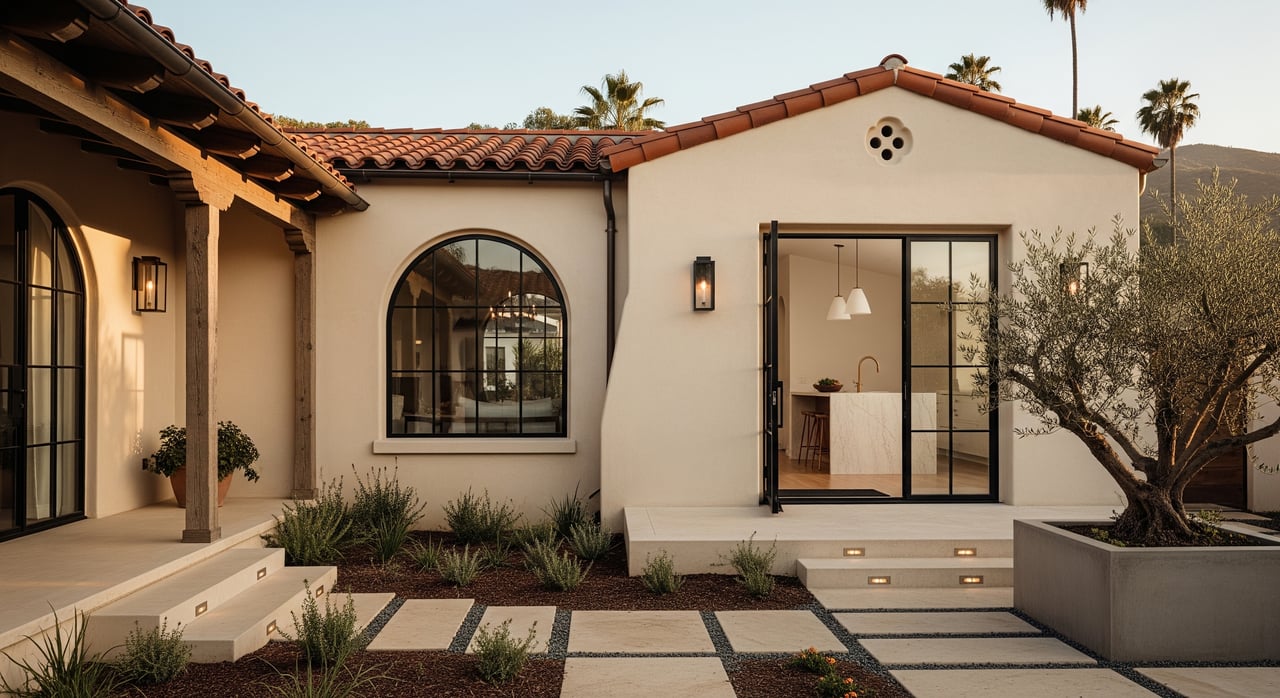
Preserve character while modernizing
The Secretary of the Interior’s guidance emphasizes retaining character-defining features, using reversible methods where possible, and matching original materials and scale. For technical best practices and documentation tips, review relevant National Park Service resources.
Old Towne-friendly examples:
- Repair original wood windows when feasible. If replacement is necessary, match sightlines and profiles.
- Restore or replicate porch columns, trim, and built-ins instead of removing them.
- Choose historically appropriate exterior palettes and document color selections for applications, following the City’s preservation standards.
Midcentury tracts: update without losing the vibe
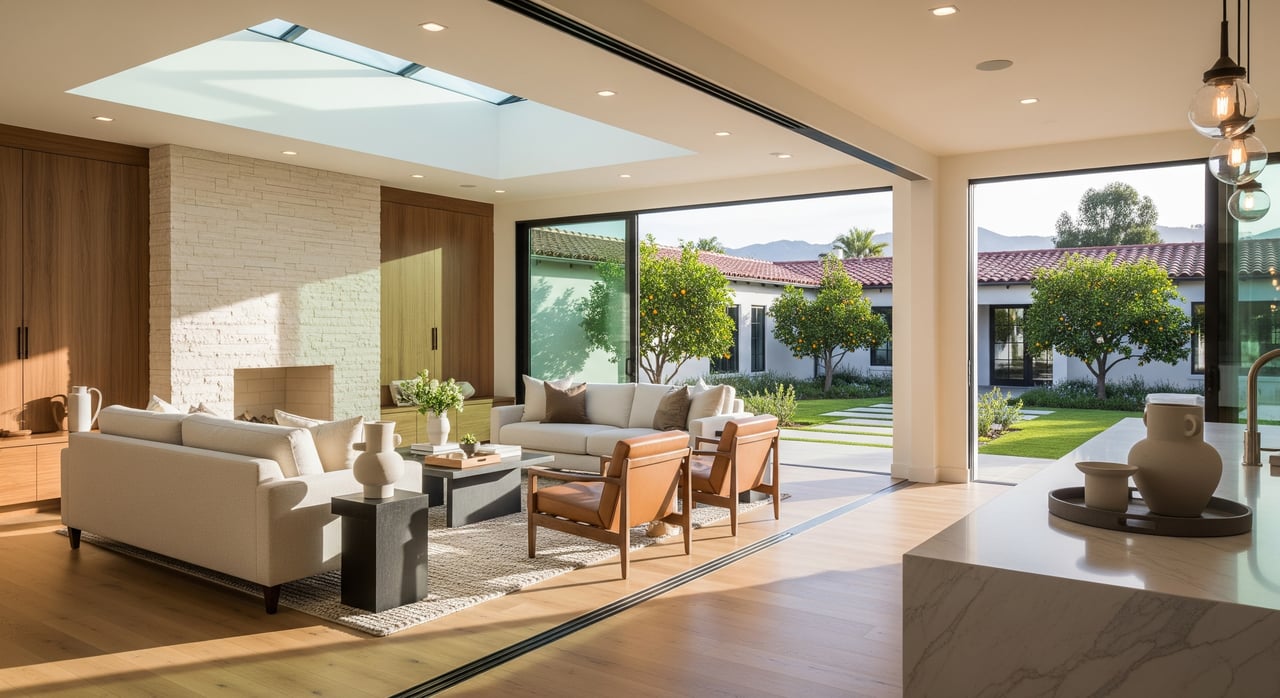
Midcentury buyers often value openness, indoor-outdoor flow, and honest materials. When you refresh, keep the clean geometry intact and avoid ornate add-ons. Thoughtful updates that honor the era can make your home stand out. For inspiration on balancing change with authenticity, see this perspective on updating iconic midcentury homes from Dwell.
Midcentury-friendly examples:
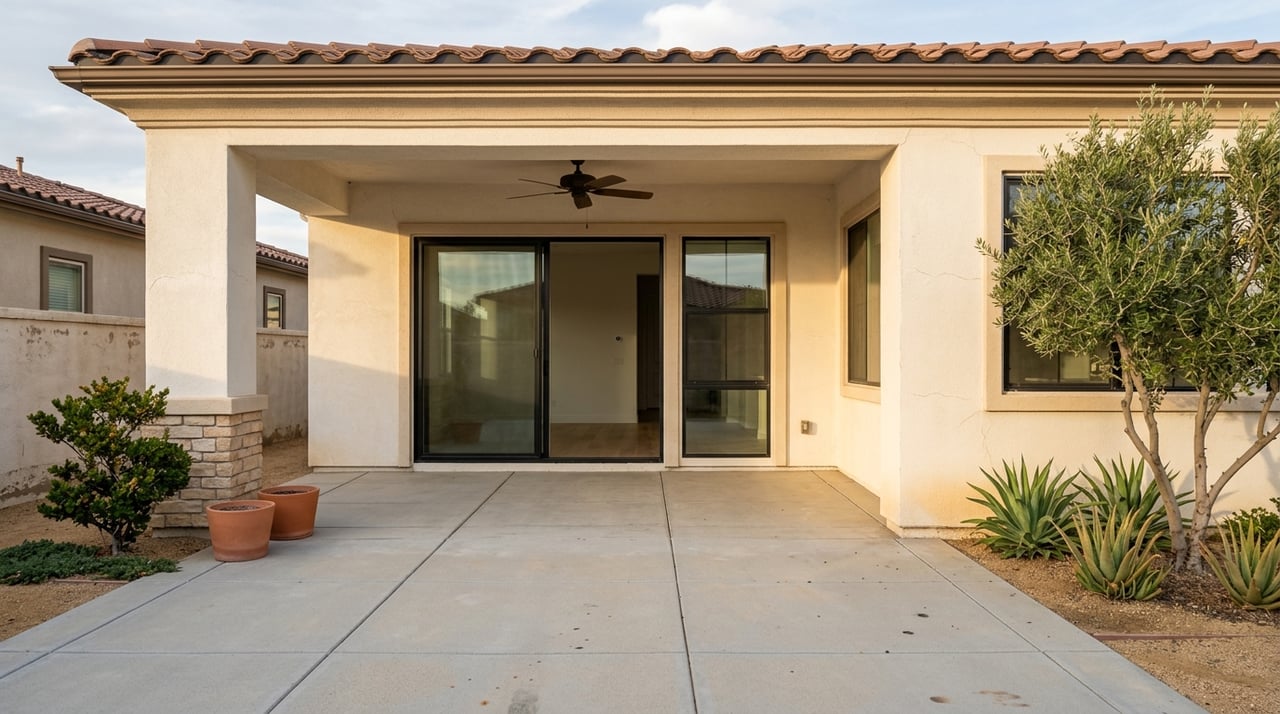
- Preserve large glazing and connections to yards and patios.
- Refinish wood or concrete floors rather than covering them with carpet.
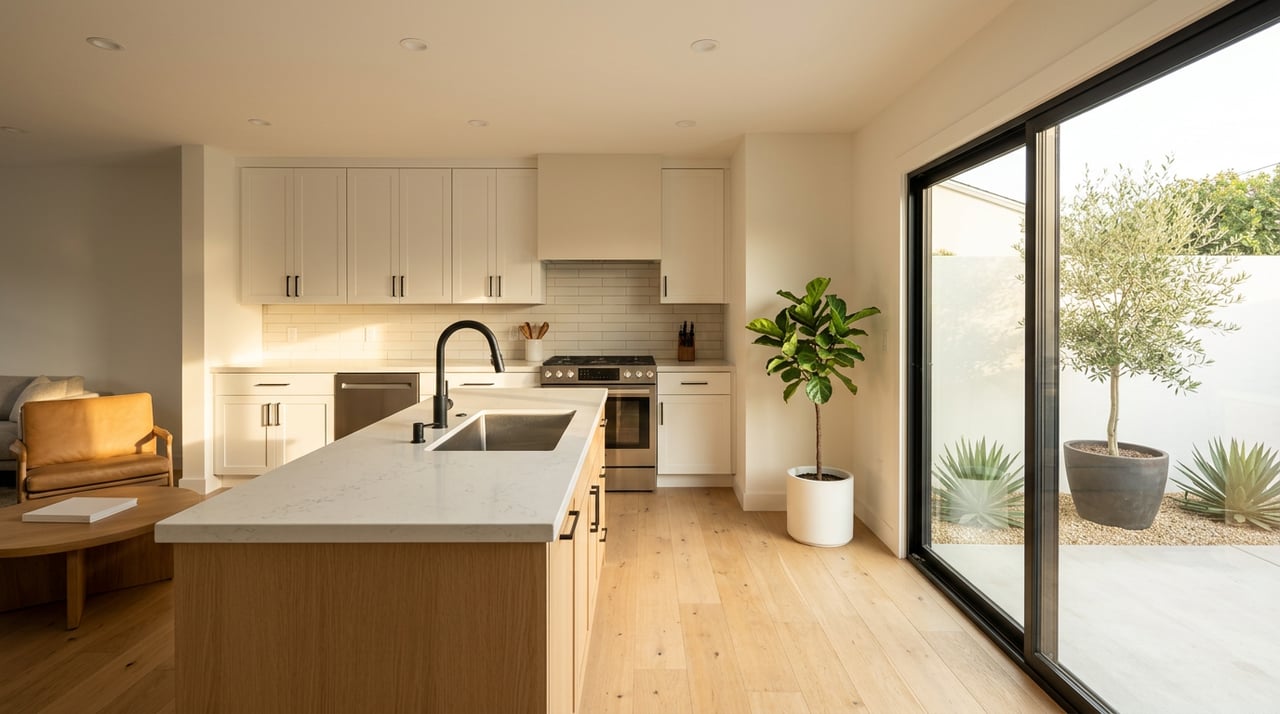
- In kitchens and baths, use simple lines and materials that align with the architecture, like slab cabinet fronts and understated tile.
Presale projects that usually pay off
Use national Cost vs Value benchmarks as a starting point, then tailor to local comps. The 2025 report highlights several projects with strong resale returns. Explore the full methodology and categories at Cost vs Value.
A) Fast wins with high impact
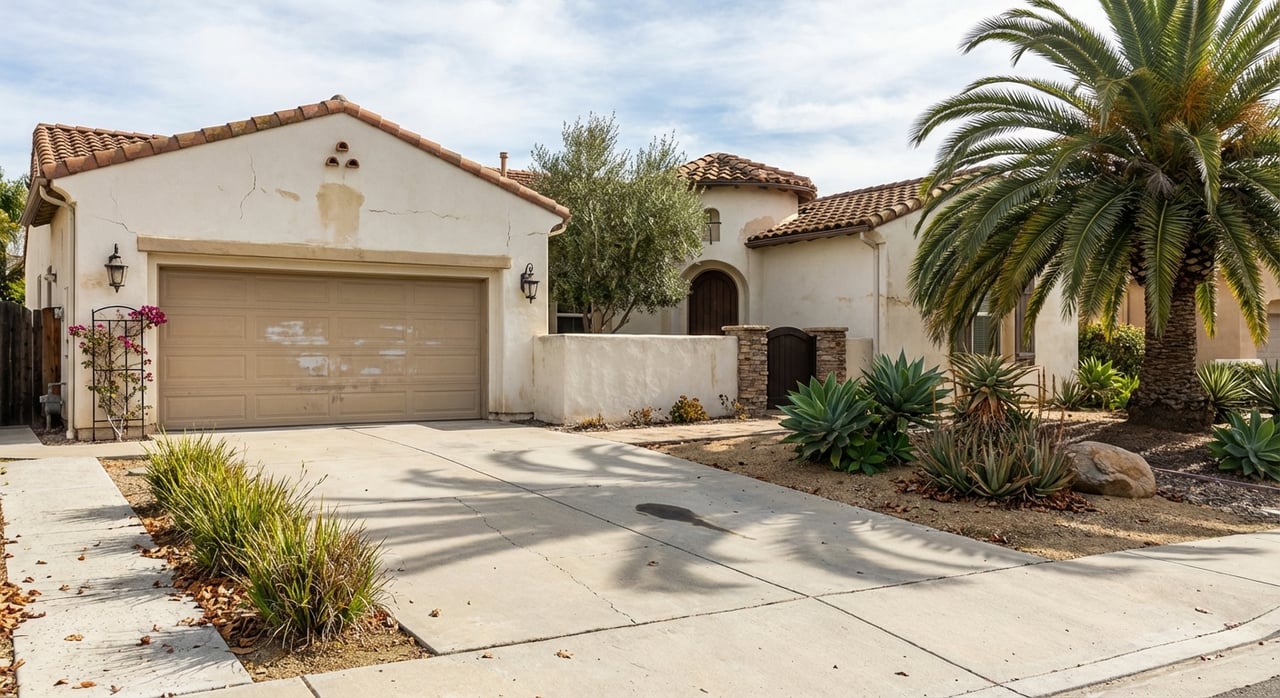
- Garage door replacement. Highly visible and relatively inexpensive. The 2025 report shows a national average cost around 4,672 dollars with an estimated resale value of about 12,507 dollars, an approximate 268 percent recoup.
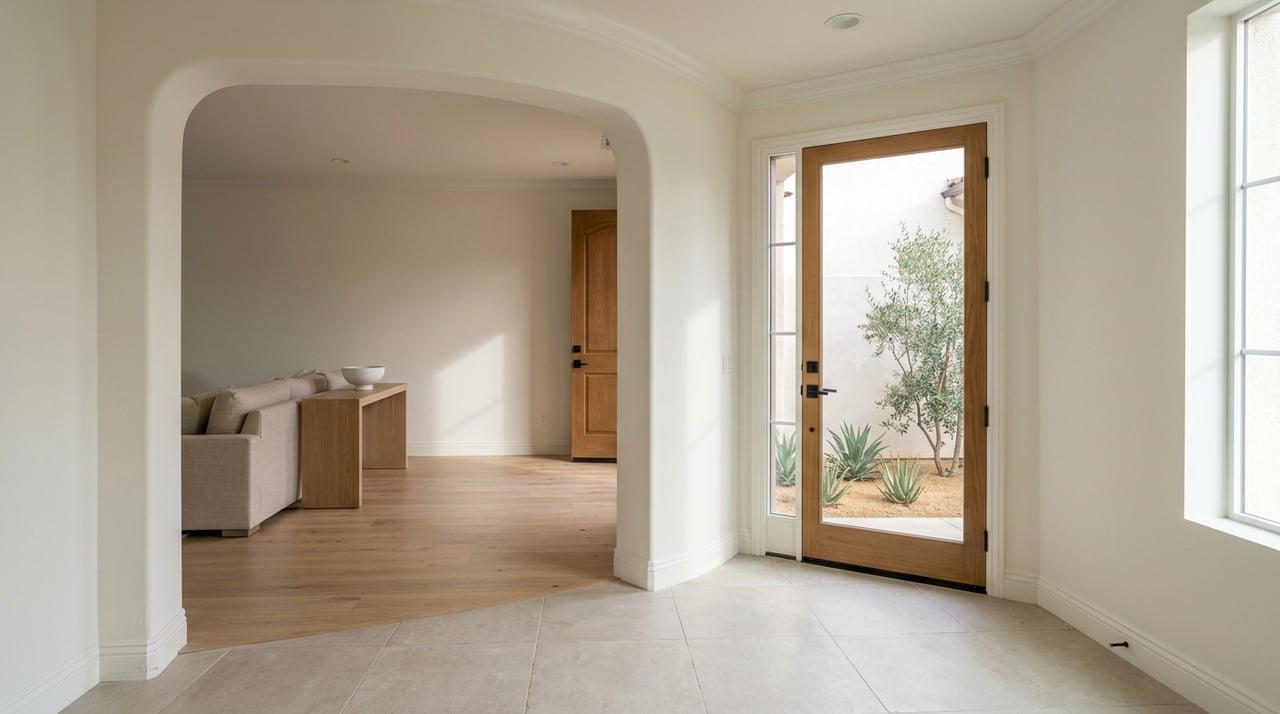
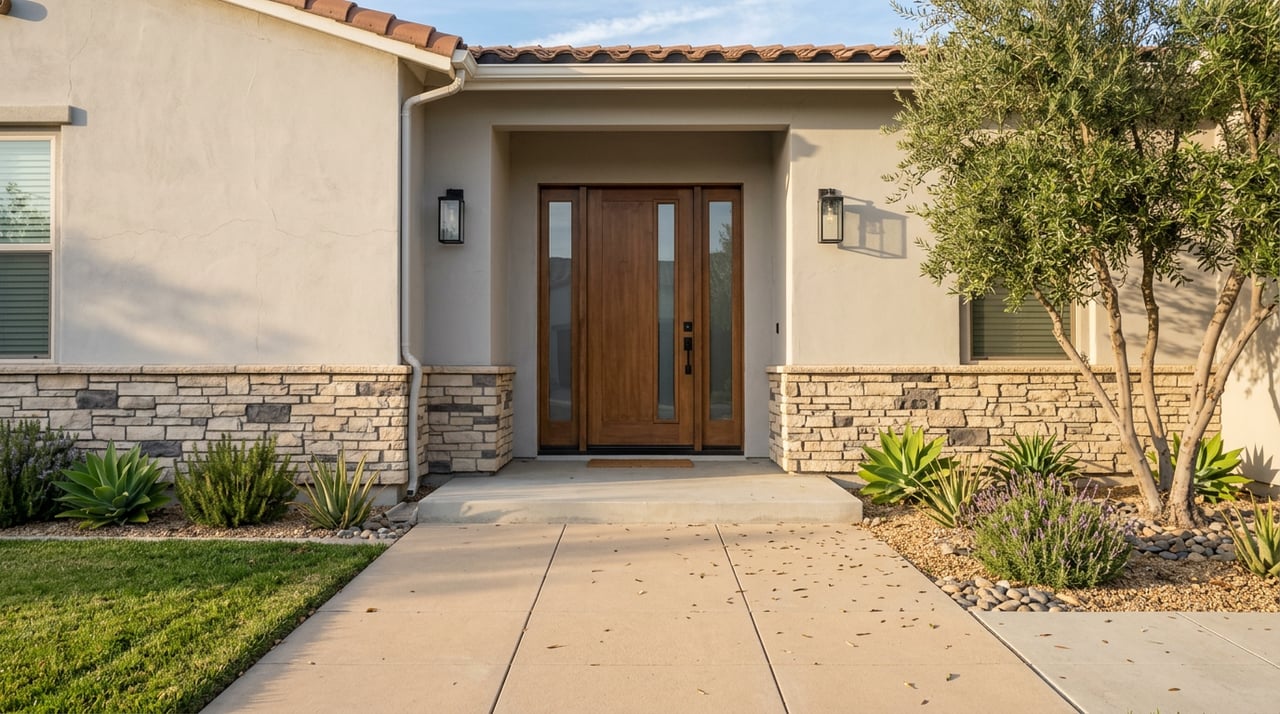
- Steel entry door replacement. A crisp, secure entry reads as “well kept.” The 2025 report shows a national average cost around 2,435 dollars with an estimated resale value near 5,270 dollars, an approximate 216 percent recoup.
- Neutral interior paint. Fresh paint signals care and makes spaces feel larger. It also pairs well with staging.
- Staging and professional photography. Research from NAR indicates staging helps buyers visualize a home and can influence both interest and time on market. See the NAR staging report for details.
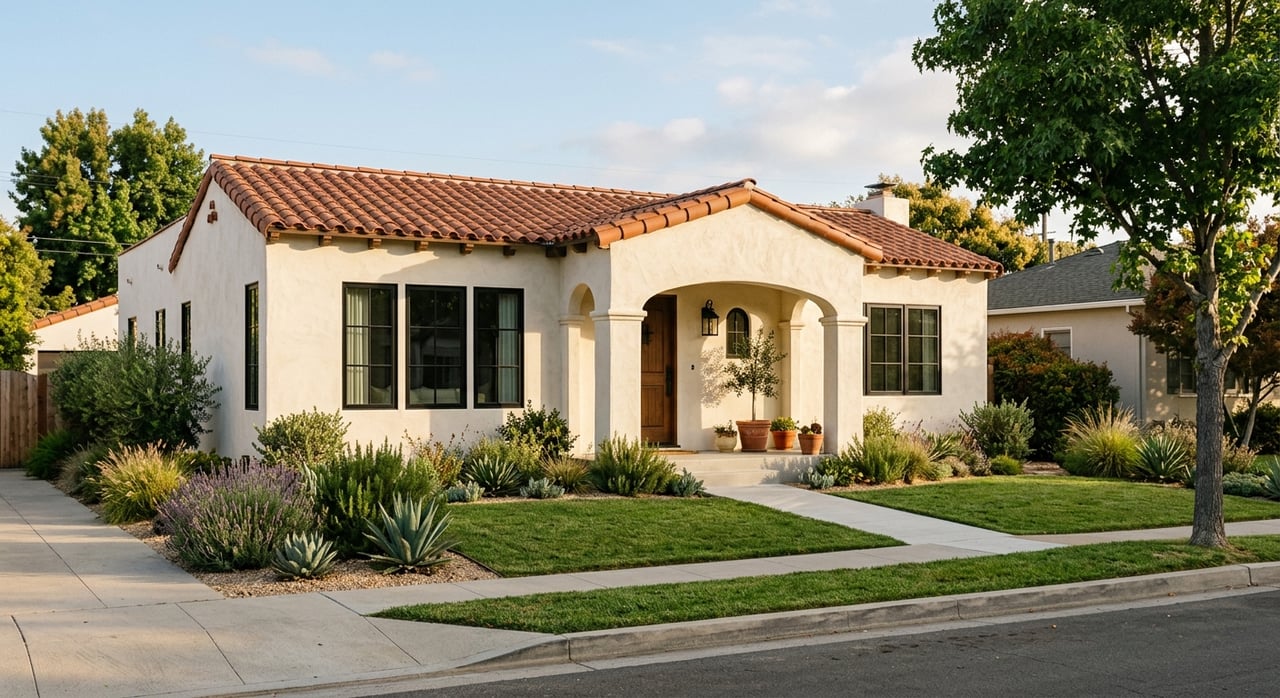
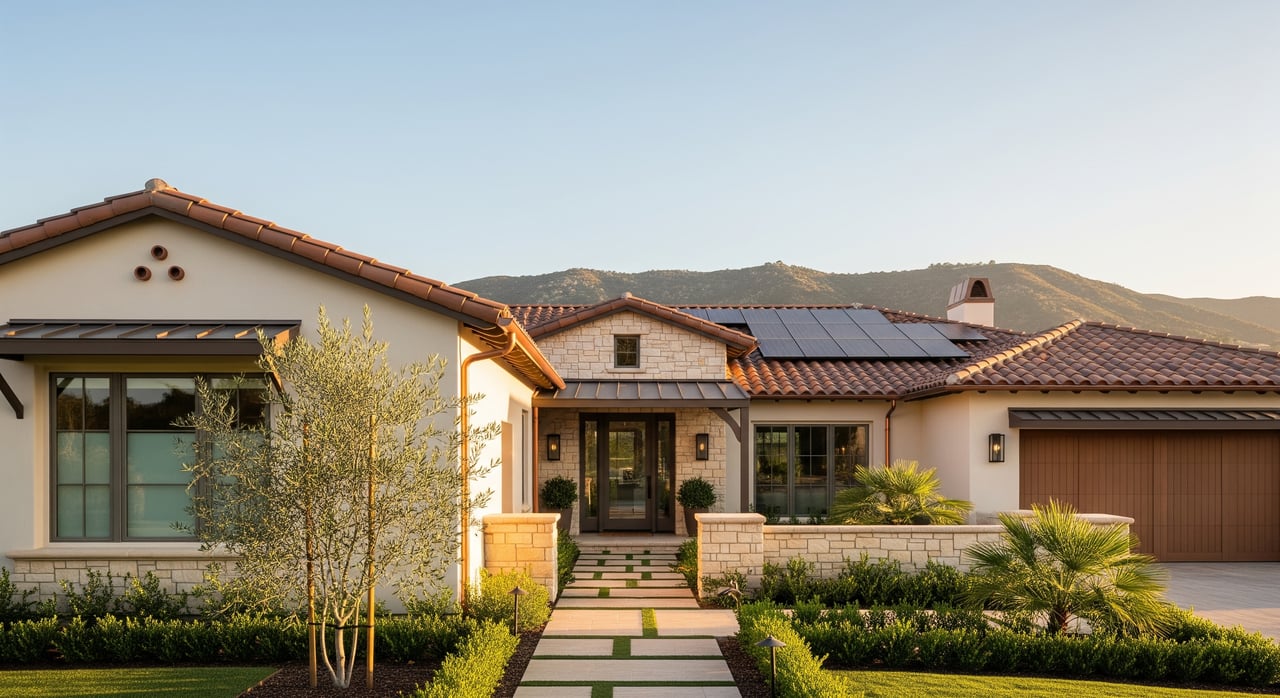
- Landscaping and curb appeal. Clean beds, drought-tolerant plantings, and accent lighting lift first impressions. Exterior projects consistently support stronger offers in Cost vs Value trends.
Style notes:
- Old Towne: choose period-appropriate door styles and hardware to complement Craftsman or Spanish Revival architecture.
- Midcentury: opt for clean-panel garage and front doors with simple hardware that suits the home’s lines.
B) Moderate cost, strong odds of recoup
- Minor kitchen remodel, midrange. Often one of the best performers. The 2025 national averages show an estimated 113 percent recoup for a midrange “minor” kitchen project. Keep the footprint and refresh surfaces, appliances, and lighting.
- Midrange bath refresh. Replace worn tile and fixtures, improve lighting and ventilation, and regrout. The 2025 national averages indicate roughly 80 percent recoup.
- Exterior repair or siding replacement. When exteriors show failure, properly scoped siding or stucco repair can reduce buyer objections and return above-average dollars in 2025 benchmarks.
- Flooring. Refinish original hardwood in character homes and preserve authentic midcentury materials where possible. New flooring should match era and neighborhood expectations.
C) Projects to approach with caution
Large additions, gut-level luxury fit-outs, elaborate pools, and specialty rooms often show lower cost recoup in the 2025 data. These can be right if you plan to stay, but they are usually poor bets solely to lift a near-term sale price.
Funding your presale updates
If you want to make strategic improvements without paying upfront, consider a brokerage-backed program or traditional financing. Compare options head to head and ask for written terms before signing.
- Compass Concierge. This program can front the cost of presale improvements like painting, staging, flooring, landscaping, and many repairs, with repayment typically at closing. Program specifics can vary by market, and fees or interest may apply depending on state. Review the details with your agent and ask for a sample repayment worksheet for California. Learn more on the Compass Concierge page.
- HELOC or home-equity loan. Widely used for renovations. HELOCs offer flexible draws but come with variable rates and are secured by your property. Review pros and cons in this Bankrate primer.
- Cash-offer marketplace. If speed matters more than maximizing price, consider a direct sale through a marketplace such as HomeLight Simple Sale. Expect a discount to agent-assisted market value in exchange for convenience.
- Contractor or vendor financing. Sometimes available. Compare rates, timelines, and any liens carefully.
A simple plan and timeline
Here is a practical flow you can follow. Your home, comps, and review requirements may shift the order slightly.
Pre-listing inspection and strategy. In 1 to 2 weeks, identify safety and condition issues that buyers or appraisers will flag. Use the findings plus a CMA to prioritize work.
Scope and bids. In 1 to 2 weeks, define a tight scope focused on fast wins and one or two midrange upgrades. Get two to three itemized bids per trade and verify licensing through the California CSLB. Keep down payments compliant with state rules and tie progress payments to completed work.
Permits and historic review. Timing varies from days to months. In Old Towne, submit for a Certificate of Appropriateness early for exterior or character-affecting work and check Building & Safety requirements. Start with the City’s Building and Safety Services for counter procedures and plan review timelines.
Construction and staging. Small jobs like painting and staging can be done in days. Minor kitchen or bath refreshes often take 4 to 8 weeks. Use Cost vs Value data to keep the scope aligned with likely recoup.
Photography, marketing, and go-to-market. Once work is complete and the home is styled, capture professional photos and launch. Ask your agent about pre-MLS exposure options such as Compass Private Exclusives to build early interest when appropriate.
Offers and negotiations. Use your pre-listing inspection to set expectations. Keep a modest contingency for any buyer requests that arise from their inspections.
How we help you execute with confidence
You do not need to manage this alone. Our team blends contractor-grade oversight with premium listing marketing so you get a clear, cost-to-value plan and hands-on execution. We help you:
- Prioritize high-impact updates and avoid overbuilding.
- Navigate Old Towne review and documentation with the right specialists.
- Coordinate licensed vendors, budgets, and schedules.
- Leverage Compass tools like Concierge and Private Exclusives when they are the right fit.
If you want a streamlined, character-safe path to market and a stronger net, schedule a free consultation with Jeremy and Nhi Hubacek. We will walk your home, price the plan, and manage the details so you can focus on your next move.
FAQs
What presale updates deliver the best ROI in Orange?
- National 2025 Cost vs Value data highlights garage and entry doors, minor kitchen remodels, and curb appeal projects as strong performers. Use a local CMA to refine your plan.
How do I update an Old Towne home without review issues?
- Start by reading the City’s Historic Preservation guidance, submit a preliminary plan for exterior changes, and favor repair or in-kind replacement to preserve character.
Do I need approval to repaint or replace windows in Old Towne?
- Many visible exterior changes can trigger review. Confirm whether a Certificate of Appropriateness is required before you paint, swap windows, or change siding, and allow time for Heritage review.
What is Compass Concierge and how is it repaid?
- It can advance the cost of approved presale work with repayment at closing. Terms vary by market, so ask for the agreement and a written example of fees and repayment for California. See Compass Concierge for an overview.
How can I verify contractors and protect my payments in California?
- Use the Contractors State License Board to verify licenses, bonding, and complaint history. Follow CSLB rules on down payments and tie progress payments to completed milestones.