Your Riverside Home Styles Guide for Smarter Buying
April 16, 2026
April 16, 2026
Wondering what Riverside home styles really tell you about a property before you even step inside? In this market, architecture is more than curb appeal. It can shape how a home lives, what upkeep you may face, and how easy future updates might be. If you are comparing older character homes to mid-century properties or newer tract layouts, understanding the differences can help you buy with more confidence. Let’s dive in.
Riverside grew in distinct waves, and each era left a different mark on the housing stock. City neighborhood profiles show early homes in areas like Casa Blanca, pre-World War II homes in Wood Streets, postwar growth in Magnolia Center, ranch-style development in Arlington South, and more modern subdivision design in Canyon Crest.
That mix means you are not shopping in a city with one standard look. Instead, you will see everything from California Bungalows and Craftsman homes to Spanish Revival, ranch homes, mid-century modern properties, and newer tract-style houses. According to the City of Riverside neighborhood profiles, that variety is part of what makes Riverside housing feel so distinct from one area to the next.
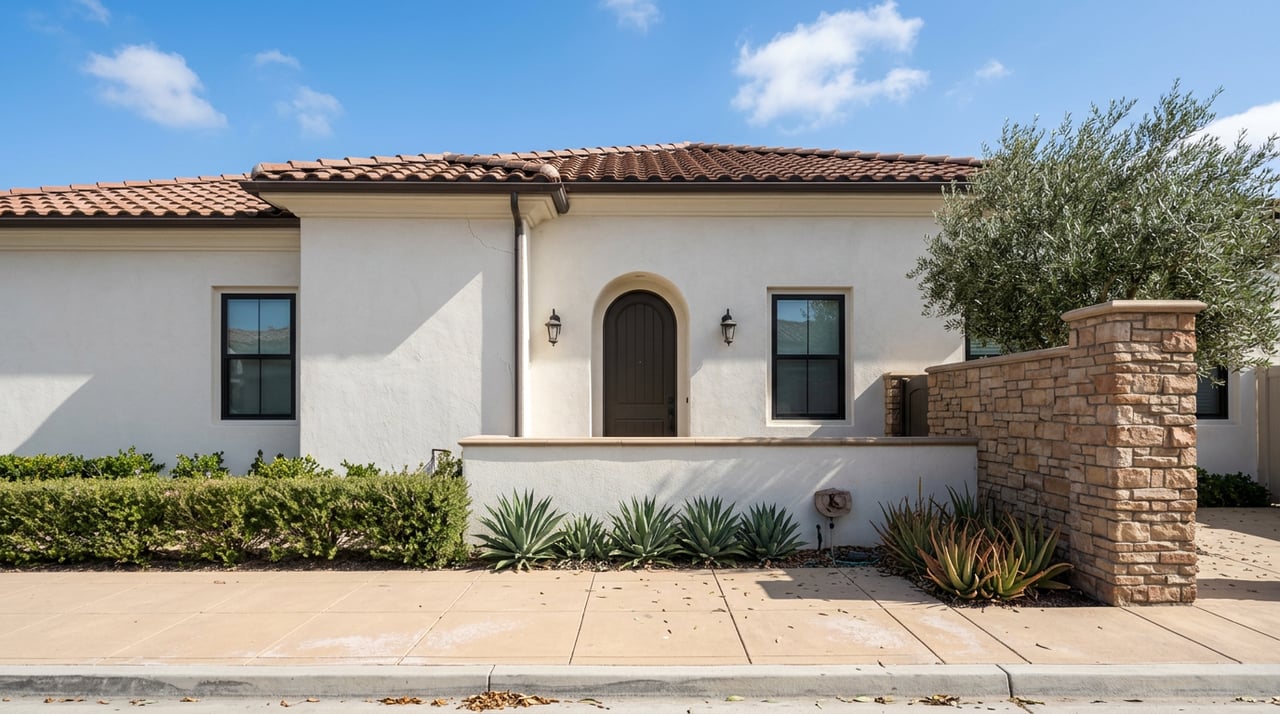
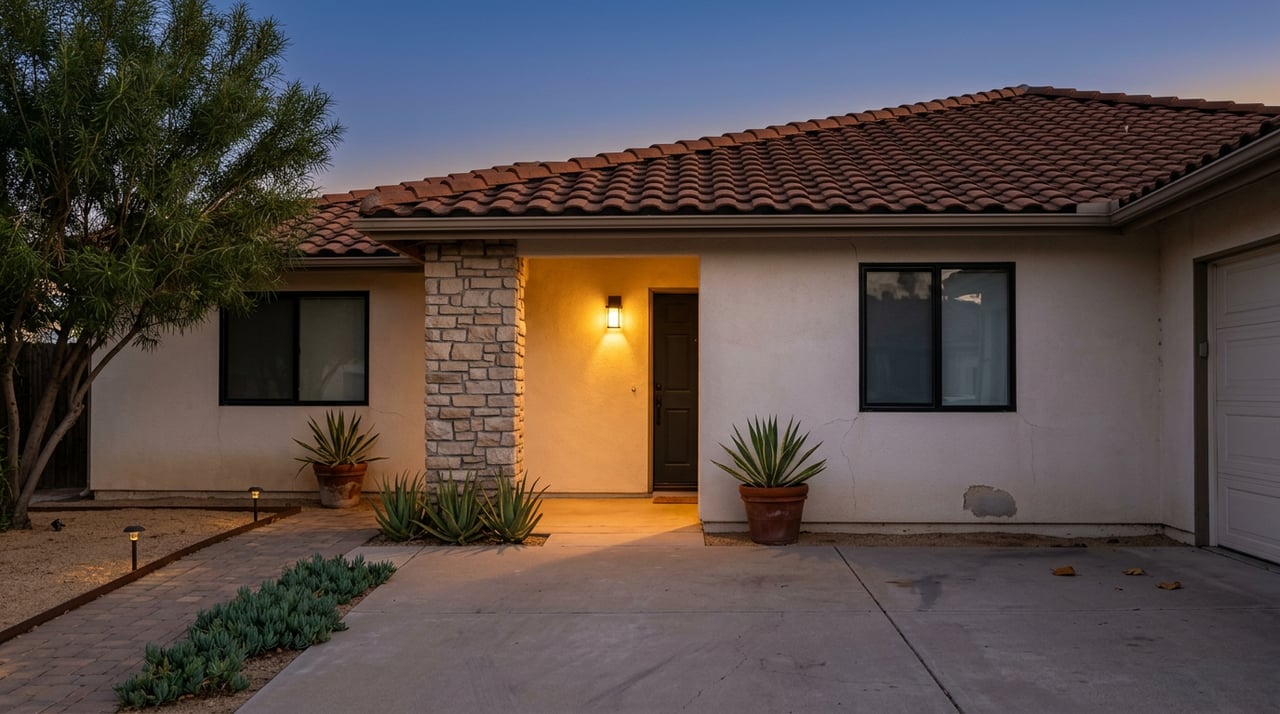
Ranch homes are one of the most common styles you will encounter in Riverside. The city’s historic preservation materials describe ranch houses as one-story residences with informal layouts and attached garages, often built as part of subdivisions. The city also notes that ranch houses became the single most prevalent residential form in Riverside’s modern period.
For buyers, that usually means practical, one-level living and a layout that feels easy to navigate. In Arlington South, for example, the city describes Poppy Hill as having ranch-style homes on large, deep lots, while much of the surrounding area includes mostly 1970s single-story tract development. You can explore that pattern in the Arlington South neighborhood profile.
Ranch-style and tract homes often appeal to buyers who want straightforward layouts and everyday functionality. Many also offer attached garages and outdoor space that feels more connected to the main living areas.
When you tour these homes, pay attention to lot size, original finishes, and whether the home has had meaningful updates over time. Some ranch homes are mostly cosmetic projects, while others may already reflect thoughtful remodeling that improves flow and usability.
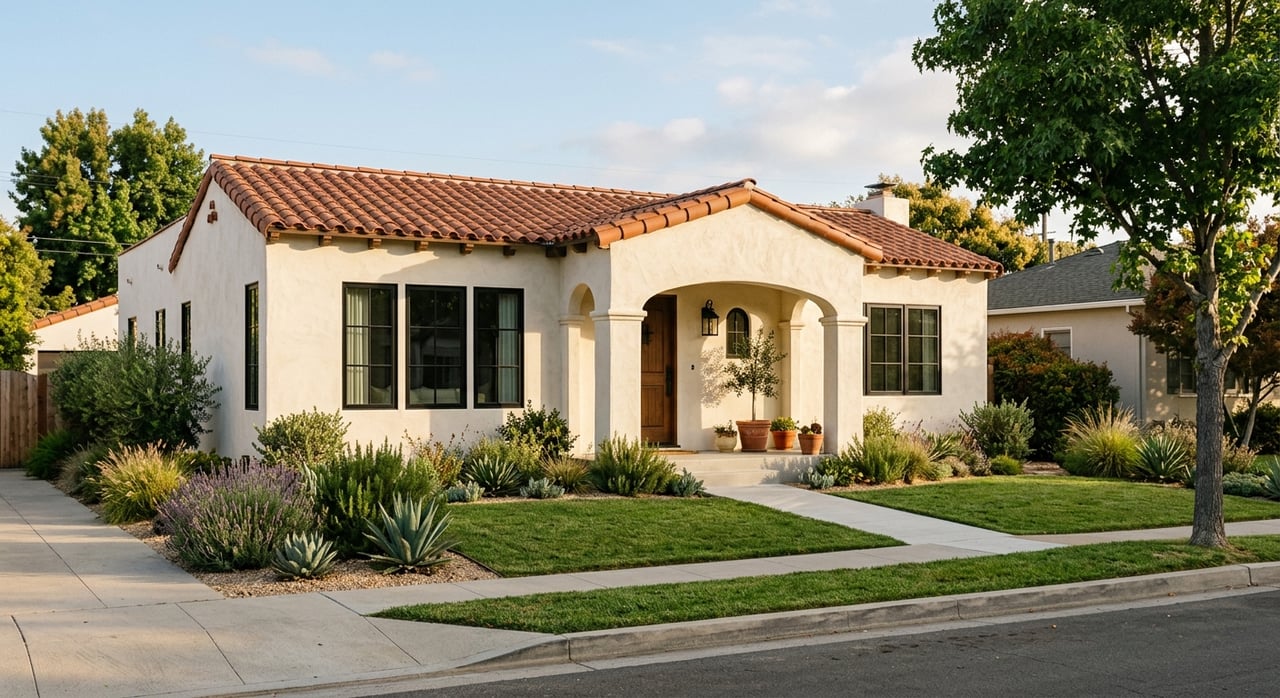
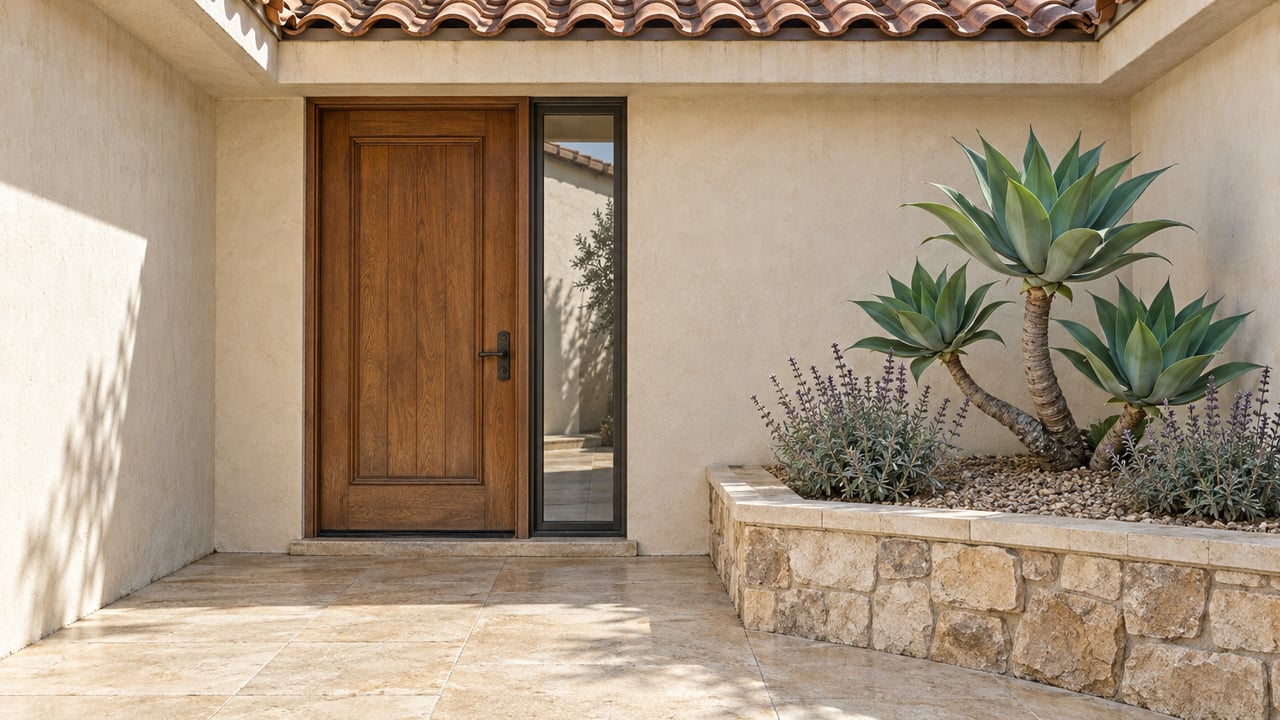
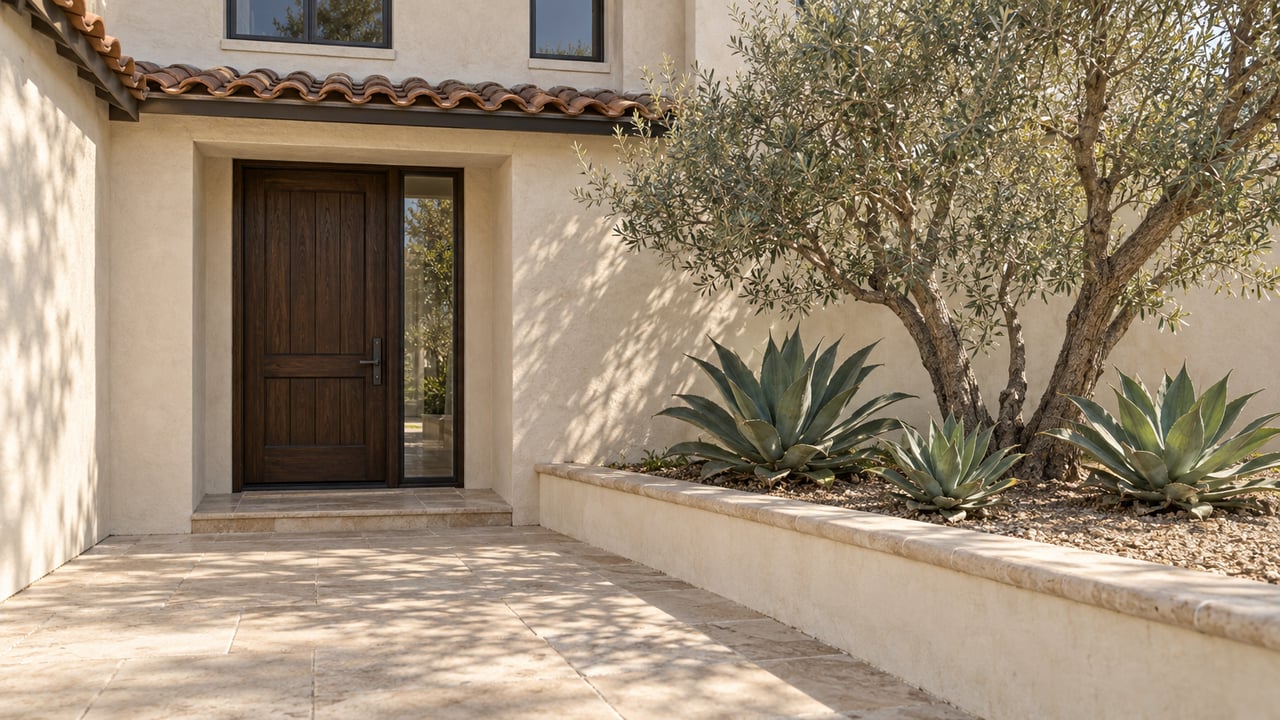
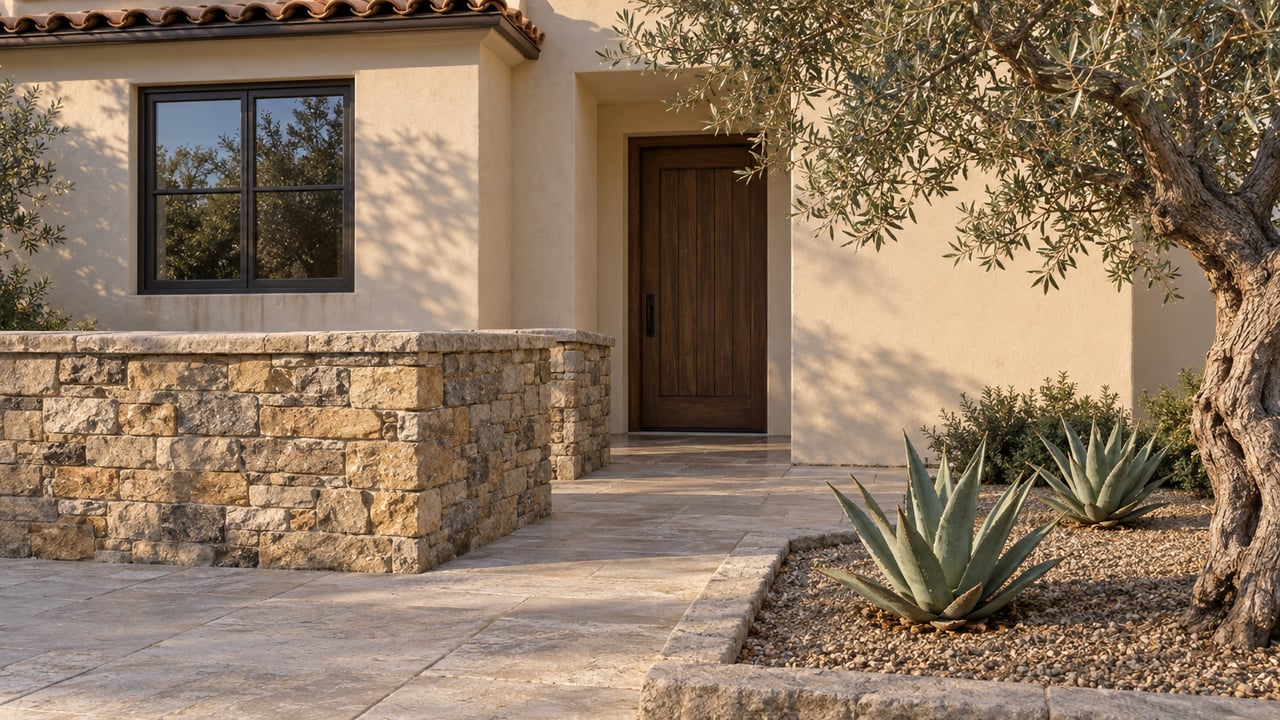
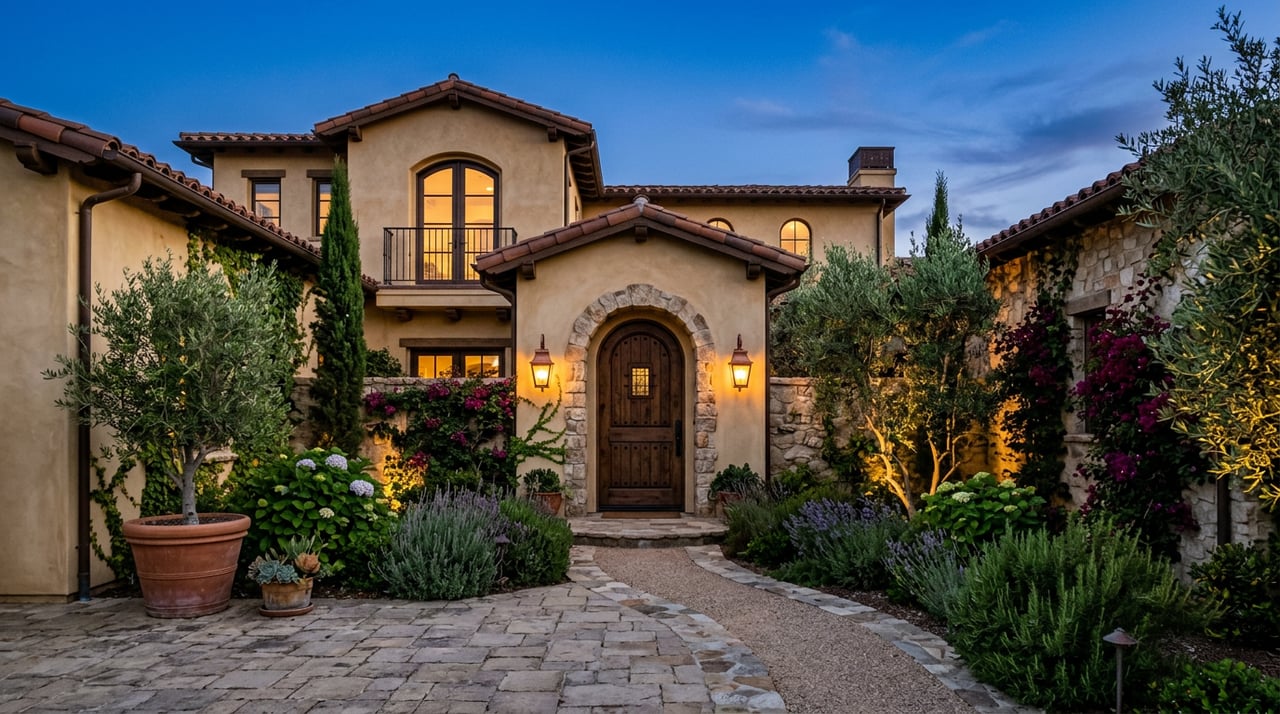
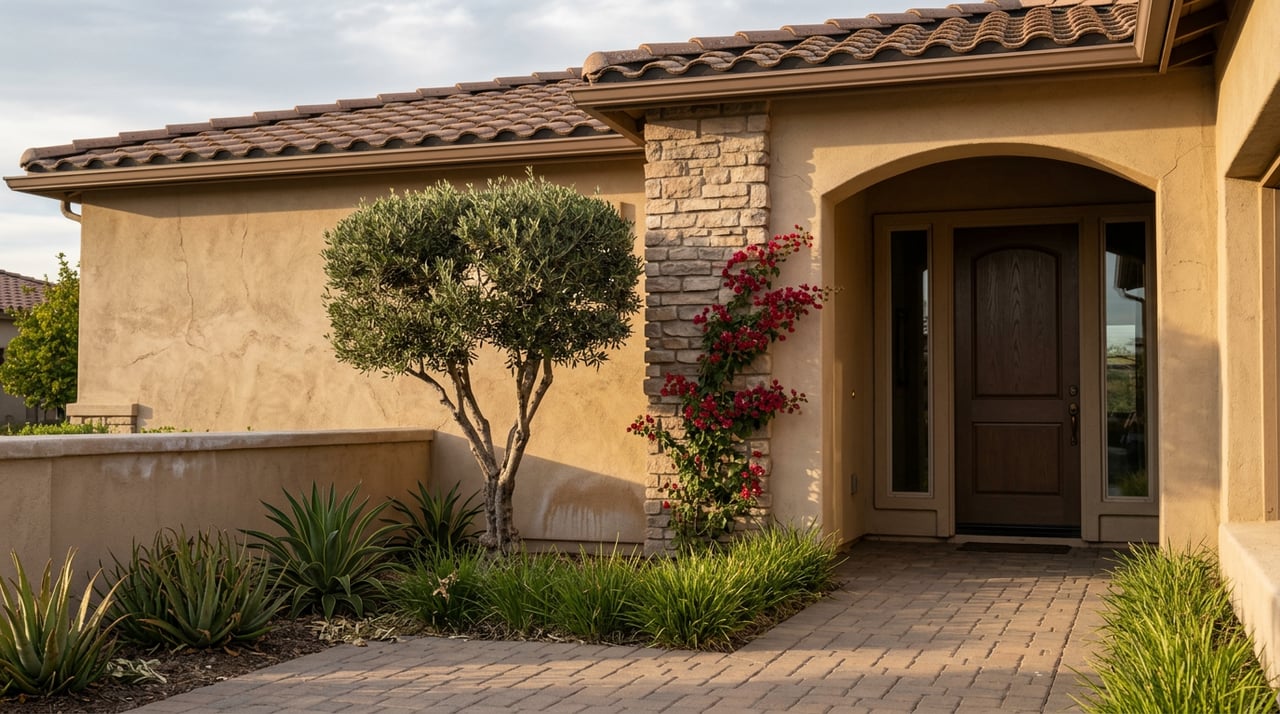
If you are drawn to homes with standout character, Spanish Colonial Revival and Mission Revival homes may catch your eye. Riverside’s design guidelines describe Spanish Colonial Revival homes as featuring stucco exteriors, red tile roofs, arched openings, patios, wrought iron details, and asymmetrical massing. Mission Revival shares many of those same visual elements, including stucco, low-pitched red-tiled roofs, wide eaves, and arches.
These homes often create a strong first impression because of their materials and architectural detail. They can also offer a natural indoor-outdoor feel through patios, shaded entries, and exterior design that works well with Southern California living. Riverside’s residential historic district design guidelines outline many of these defining features.
Character can come with more specialized upkeep. Tile roofs, stucco surfaces, and decorative metalwork may need repairs that match the original materials and appearance more closely than standard replacement work.
That does not make these homes harder to own. It simply means you should look carefully at condition, deferred maintenance, and whether past updates respected the home’s original design. If a house has historic status or may be eligible for it, exterior changes may involve city review as well.
Mid-century modern homes show up most clearly in places like Magnolia Center and in custom homes on Hawarden Drive, according to Riverside’s historic context materials. The city identifies this style through geometric forms, industrial materials, post-and-beam construction, and a close relationship between indoor and outdoor space.
For buyers, that often translates into brighter interiors, open-feeling rooms, and stronger visual connections to patios or yards. Riverside’s modernism context materials explain why these homes can feel so different from earlier designs.
Not every mid-century home has been preserved or updated in the same way. Some keep original features that add architectural interest, while others have been remodeled over time with mixed results.
As you evaluate a property, consider whether the updates support the home’s design or work against it. Window changes, rooflines, carports or garages, and indoor-outdoor transitions can all affect both function and visual appeal.
Older Riverside neighborhoods still include California Bungalow and Craftsman homes, especially in Casa Blanca and Wood Streets. The city describes Craftsman homes as having low-pitched roofs, prominent porches, exposed wood elements, and grouped windows.
These homes often feel detailed and inviting because so much of the architecture is expressed on the exterior. In the Wood Streets neighborhood profile, the city notes a mix of Craftsman, Spanish Colonial Revival, Tudor Revival, and Colonial Revival architecture, with many homes built before World War II.
Older homes can offer charm that is hard to replicate, but age matters when it comes to systems, materials, and renovation plans. Original windows, wood details, porches, and trim may be beautiful, but they can also require more ongoing attention.
If you love the style, make sure you understand the difference between cosmetic updates and larger work that may affect structure, electrical, plumbing, or exterior materials. This is where a practical eye can make a big difference during your search.
In Riverside, style and neighborhood often go hand in hand. Knowing these broad patterns can help you make faster sense of listings before you schedule a showing.
These are not hard rules for every block, but they are helpful shortcuts when you are narrowing down what fits your goals.
A home’s style does not just influence looks. It can also affect what makes sense to change and how complicated those changes may be.
Riverside says that if a property is historically designated or eligible, a Certificate of Appropriateness is required for exterior alterations, additions, repairs, demolition, relocation, or changes in appearance. The city also notes that 50 years old is a general rule of thumb for historic consideration, though age alone is not decisive. You can review that process through Riverside’s historic sites inventory and studies page.
For buyers, this matters most when you are looking at older or more original homes. If you already know you want to rework the facade, replace windows, or add on, you should understand the review process before you close.
Riverside’s climate also shapes what home styles mean in day-to-day ownership. The city describes summers as hot and arid, with mild and relatively wet winters, and the Fire Department emphasizes that roofs and exterior materials matter for wildfire readiness.
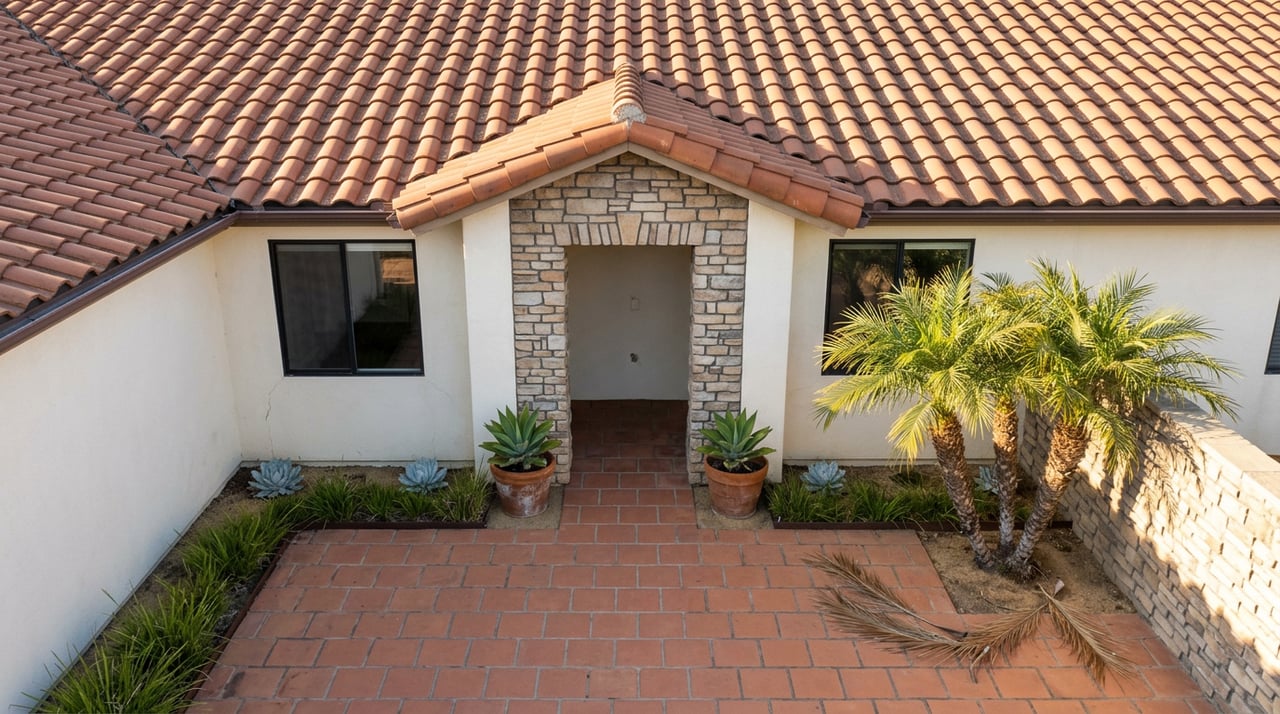
According to Riverside’s Wildfire Mitigation Plan, wood-shake and shingle roofs are at higher risk than fire-resistant roofs. The city recommends fire-resistant roof materials such as composition, metal, or tile, along with defensible space and low-flammability landscaping around the home.
When comparing homes, look beyond square footage and finishes. Exterior materials, roof type, patio shade, and landscaping style can all affect long-term upkeep in Riverside’s climate.
In practical terms, tile roofs, stucco exteriors, shaded outdoor areas, and fire-conscious landscaping may align well with local conditions. If you are choosing between two homes with similar price points, those details can matter more than buyers first expect.
The best way to use architecture in your search is to treat it as a clue, not just a preference. A ranch home may suggest easy one-level living. A Spanish Revival home may point to stronger outdoor character and more material-specific upkeep. A mid-century home may offer openness and light. A bungalow or Craftsman may deliver charm but require a closer look at condition and renovation limits.
When you understand those tradeoffs early, you can tour homes more strategically and ask better questions. That is especially helpful in Riverside, where the housing stock spans multiple eras and no two areas feel exactly alike.
If you want help reading between the lines of Riverside listings, planning smart updates, or weighing character against maintenance, connect with Jeremy and Nhi Hubacek-. Their local market knowledge and renovation-minded approach can help you see not just what a home is, but what it could become.
Stay up to date on the latest real estate trends.

We pride ourselves in providing personalized solutions that bring our clients closer to their dream properties and enhance their long-term wealth. Contact us today to discuss all your real estate needs!
THE HOME EXPERT GROUP
5053 LA MART DR STE 206 RIVERSIDE, CA 92507 Jeremy Hubacek | CA DRE# 02039207