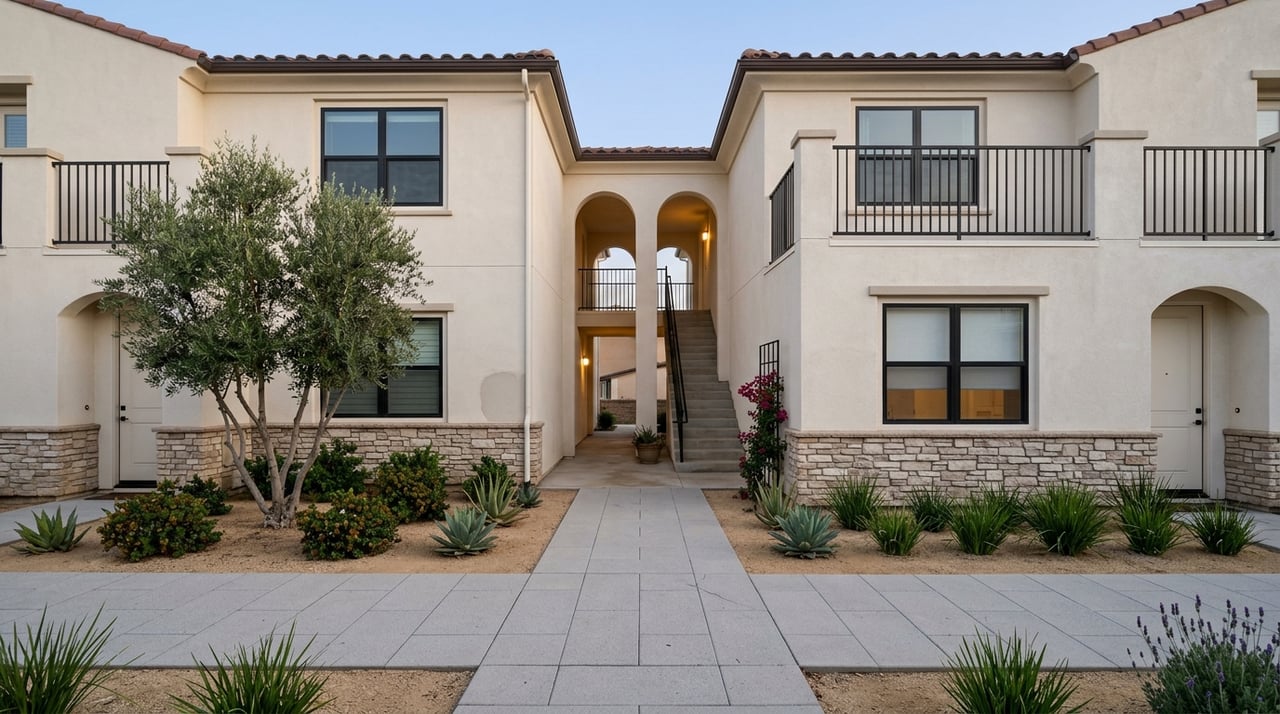
Living in Loma Linda CA Near the Medical and University Hub
May 7, 2026
May 7, 2026
If your work, classes, or training revolve around Loma Linda University Health, where you live can shape your whole day. A shorter commute, easier parking plan, and quick access to campus services can make a real difference when your schedule is packed. If you are thinking about renting or buying in Loma Linda, this guide will help you understand how housing near the medical hub works and what to expect. Let’s dive in.
Loma Linda is not just another Inland Empire city with a major employer nearby. The city’s housing patterns are closely tied to Loma Linda University Health and the university campus, which serve as the center of daily activity for many students, medical professionals, staff, and faculty.
According to LLUH, its system includes six hospitals and a Level I trauma center. The Medical Center and Children’s Hospital serve more than 500,000 patients each year, which helps explain why the area around Barton Road, Anderson Street, and the campus stays so active.
For many people, that Barton-Anderson-Campus area functions as the practical center of life in Loma Linda. If you want shorter trips to work, class, dining, or appointments, living closer to that core may be one of the biggest benefits the city offers.
Housing near the medical hub is not one-size-fits-all. Loma Linda’s land-use policies allow a mix of single-family homes, duplexes, townhouses, condominiums, and low-rise apartments, which gives you more than one path depending on your budget, timeline, and lifestyle.
The city also identifies a high-density residential area along the north and south sides of Barton Road at the western city limits. In simple terms, that supports the idea that attached and multifamily housing is more common closer to the campus and medical corridor, while detached homes are generally more common in lower-density parts of the city.
That mix is helpful if you are trying to balance convenience with space. A condo, townhome, or apartment closer to the core may make sense if you want easier access to campus and transit, while a detached home may appeal more if you want more room and are comfortable being a bit farther out.
Loma Linda has a meaningful rental market. Census QuickFacts report a 37.9% owner-occupied housing unit rate, along with a median gross rent of $1,855 for 2020 through 2024.
That owner-occupancy figure suggests a large share of housing is renter-occupied, which fits what many people expect in a city shaped by a university and medical system. If you are relocating for residency, a new position, graduate study, or a short-to-medium-term stay, renting can offer flexibility while you learn the area.
LLU also offers limited on-campus housing in Lindsay Hall and the Daniells Residence Complex. The university says both are on campus and within walking distance of key resources, and some under-21 undergraduate students are required to live on campus unless they qualify for an exception.
If you plan to stay longer, buying may be worth exploring. Census QuickFacts list the median owner-occupied home value in Loma Linda at $596,900 for 2020 through 2024.
For buyers, the big question is often not just price. It is how much convenience you want in exchange for the type of home you choose. In a city like Loma Linda, proximity to the medical hub can be a strong lifestyle advantage, especially if your daily routine depends on fast access to campus, clinical sites, or hospital buildings.
If you are comparing options, it helps to think beyond bedroom count alone. Commute time, parking pressure, walkability to nearby services, and the amount of upkeep you want can all matter just as much.
Here is a simple way to think about the main housing types you may find in and around Loma Linda.
| Housing type | Best fit for | Typical advantage |
|---|---|---|
| Apartment or low-rise rental | Students, new hires, short-term relocations | Flexible move-in and lower maintenance |
| Condo or townhome | Busy professionals, smaller households | Easier upkeep with good access to campus areas |
| Detached single-family home | Long-term buyers, households wanting more space | More privacy and room, often outside the densest core |
| On-campus housing | Eligible students | Walkable access to campus resources |
The right fit depends on how you live day to day. If your priority is getting to shifts or classes quickly, an attached home or rental near the core may be more practical than a larger property farther away.
One of Loma Linda’s strongest selling points is convenience. The city sits south of San Bernardino, on the south side of Interstate 10 and just east of Interstate 215, which helps connect residents to surrounding job centers and regional destinations.
Still, local traffic patterns matter. The city’s circulation plan says congestion can build at major roadway and freeway interchanges during peak hours, and it identifies Barton Road, Anderson Street, and Mountain View Avenue as major corridors.
That is important if you are deciding between living very close to the medical hub or commuting in from another part of the Inland Empire. A home that looks only a few miles away on a map can feel very different depending on your route, your work hours, and how often you need to be on campus.
Parking demand is especially high around Loma Linda University and the medical center, according to the city’s transportation element. That means proximity can save you more than time. It can also reduce the stress of getting in and out of one of the city’s busiest areas.
Transit is also a real option for some residents. The city says Omnitrans provides local bus service, Riverside Transit Agency Route 25 serves the VA Hospital and Loma Linda Medical Center, Route 2 serves Loma Linda through several connecting corridors, and the sbX Green Line runs from Cal State San Bernardino to Loma Linda University and Medical Center.
The city’s transportation element notes that there are about 60 bus stops in Loma Linda, with roughly 1,400 average weekday boardings on Omnitrans routes. For some renters and buyers, that extra mobility can make nearby housing even more attractive.
Loma Linda often appeals to people who value efficient routines. Census QuickFacts show a mean travel time to work of 19.6 minutes, which lines up with the city’s reputation as a compact, commute-friendly place.
That does not mean every commute is easy or every home is close to campus. It does mean the city is built in a way that can support shorter daily trips, especially if you choose housing with your real routine in mind.
If your week includes early rounds, late classes, split schedules, or frequent trips back to campus, that kind of efficiency can have a real quality-of-life payoff.
Loma Linda’s identity goes beyond the medical campus. The city describes itself as a health-conscious community and notes that it became the first smoke-free city in San Bernardino County.
The city also highlights tree-lined streets, parks, and a small-town setting near larger regional job centers. For many residents, that creates a calmer day-to-day feel than you might expect from a city with such a major medical anchor.
If outdoor space matters to you, local amenities add to the appeal. Hulda Crooks Park includes a 19.6-acre park area with a lighted walking track, tennis courts, basketball court, playground equipment, open field space, benches, and a dog park.
Citrus Trails South adds playground equipment, a picnic gazebo, and charcoal BBQ pits. The city also runs a community garden program, and its general plan emphasizes sidewalks, bikeways, and trails as part of neighborhood mobility.
Daily convenience in Loma Linda is heavily shaped by the campus environment. LLU’s nutritional services information lists on-campus cafeterias at the University Hospital, Children’s Hospital, East Campus, Surgical Hospital, and Faculty Medical Offices.
It also notes nearby dining options within five miles, including Cafe Society, Loma Linda Market Juice Bar, Lotus Garden, and Panera Bread. At the same time, the city is offering grants to attract new sit-down restaurants, which suggests the dining scene is still growing.
For residents, that means the city may feel more practical than entertainment-driven. If you value quick access to campus services, simple dining options, and an efficient daily setup, that can be a plus.
Loma Linda tends to work especially well for people who want to stay close to where life happens. That includes medical professionals, hospital staff, students, researchers, and others whose schedules are tied to the university and health system.
The strongest case for living here is not about large-lot suburban separation. It is about being close to work, class, appointments, transit, and everyday services in a compact city where those connections matter.
If that sounds like your priority, Loma Linda may offer a better lifestyle fit than a longer commute from a surrounding city. The best housing choice is usually the one that supports your schedule, your budget, and the pace of life you actually want.
If you are considering a move to Loma Linda, it helps to start with your routine before you start with square footage. The city offers a mix of rentals, condos, townhomes, and detached homes, but the biggest value for many buyers and renters is how close they can be to the medical and university core.
That is why local guidance matters. When you understand how housing type, commute patterns, and daily convenience come together, you can make a smarter move with fewer surprises. If you want help exploring homes, comparing options, or planning your next move in the Inland Empire, connect with Jeremy and Nhi Hubacek- for a free consultation.
Stay up to date on the latest real estate trends.

We pride ourselves in providing personalized solutions that bring our clients closer to their dream properties and enhance their long-term wealth. Contact us today to discuss all your real estate needs!
THE HOME EXPERT GROUP
5053 LA MART DR STE 206 RIVERSIDE, CA 92507 Jeremy Hubacek | CA DRE# 02039207