Buying a home in Corona is exciting, but the inspection period can feel like a sprint. You want to catch the issues that matter, avoid surprises, and negotiate with confidence. With a smart plan, you can focus on safety and big-ticket systems, then decide what to fix now and what to budget for later. This guide gives you a clear checklist, a 7–10 day timeline, and practical negotiation tips tailored to Corona and the Inland Empire. Let’s dive in.
Corona conditions to watch
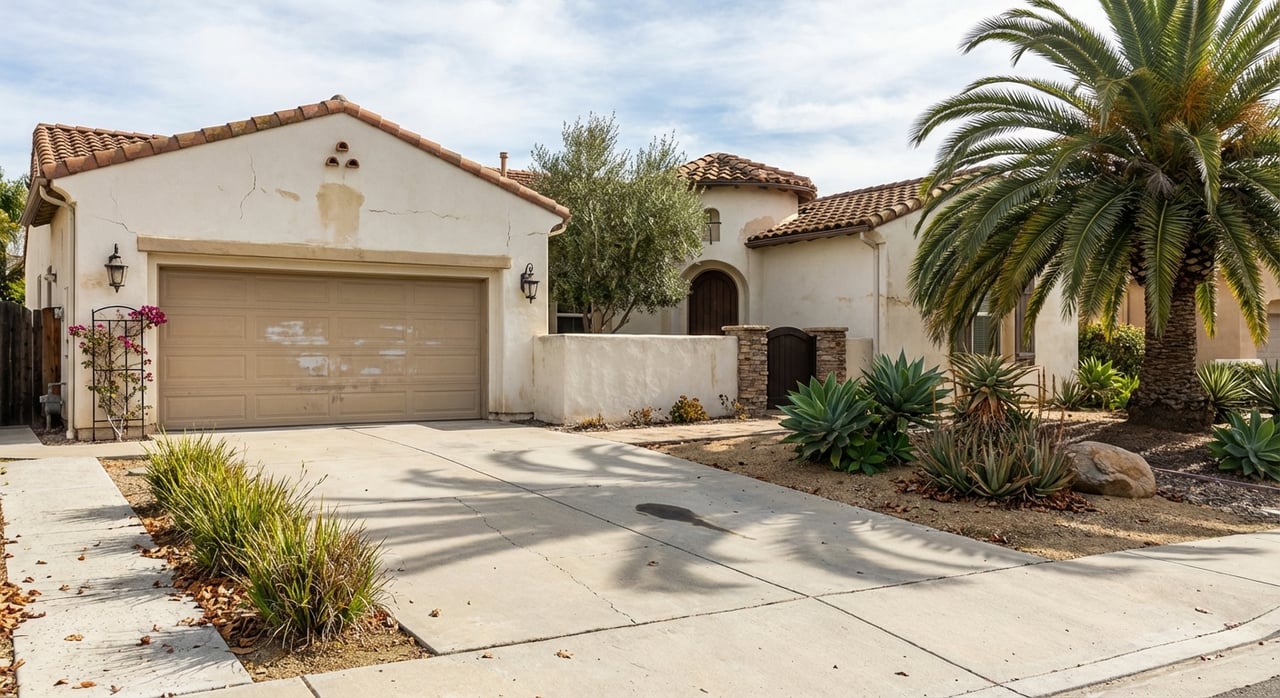
Corona’s hot, dry summers and mild winters can wear on roofs, exterior finishes, and HVAC systems. Stucco cracking, dried-out landscaping, and heavy HVAC use are common maintenance items. If the property has a pool, plan for equipment checks and water-loss considerations.
Wildfire risk matters for homes near hills and canyons. Look for defensible-space practices around the property and review hazard disclosures. Earthquake exposure is a regional reality, so you should expect items like water-heater bracing and flexible gas connectors to come up in inspections.
Many Corona homes were built between the 1960s and 2000s. You will often see slab-on-grade foundations, stucco exteriors, composition shingle or tile roofs, central HVAC, and gas water heaters. Termite activity is common in Southern California, so a wood-destroying organism inspection is standard.
Your Corona inspection checklist
High-priority: safety and structure
- Structure and foundation
- Review slab cracks and patterns near doors and windows. Ask about prior repairs or any unpermitted structural work and verify permits.
- Roof and attic
- Check covering condition, flashing at penetrations, and any signs of active leaks. In the attic, look for ventilation, insulation levels, moisture stains, and pest entry.
- Electrical hazards
- Confirm proper grounding, correct breaker sizing, and safe panels. Flag exposed splices or open junction boxes.
- Plumbing and sewer
- Test water pressure and check for active leaks. If the home is older or has large trees, order a sewer camera scope.
- Gas appliances and lines
- Inspect flexible gas connectors and ventilation. Note any gas odor and have it addressed immediately.
- Termites and WDO
- Schedule a licensed WDO inspection to identify active infestation or damage.
- HVAC and water heater
- Note age and performance. Confirm water-heater bracing and strapping. Ask for service records if available.
Medium-priority: systems and upkeep
- Exterior envelope
- Look for stucco cracking, window and door flashing issues, and soil or mulch too high against the stucco.
- Drainage and grading
- Verify positive slope away from the foundation and functioning gutters and downspouts.
- Garage safety
- Test the door reversal feature and check fire separation between the garage and living space.
- Exterior systems
- Inspect the irrigation system for leaks and review fencing and retaining walls, especially on hillside lots.
- Pool and spa
- Test equipment, observe the pool surface, and confirm safety features like gates and self-closing latches.
- Moisture-prone areas
- Note musty odors, visible mold, or persistent dampness in bathrooms and under sinks. Consider testing if indicated.
Specialty inspections to order
- Termite/WDO inspection
- Sewer lateral camera scope
- Roof inspection or certification, especially for tile roofs
- Pool and spa inspection
- HVAC system and duct evaluation
- Chimney and fireplace inspection
- Asbestos or lead-risk assessment for older homes if you plan renovations
- Mold testing if visible mold or strong odors are present
- Structural engineer evaluation for significant foundation concerns
- Septic system inspection if applicable
Prioritize and negotiate repairs
Use a simple framework to sort findings and focus your requests.
- Category A: Safety and code
- Electrical hazards, gas leaks, major structural failures, active sewer leaks, and mold that may affect health. Ask for repairs before closing or a seller credit that covers licensed remediation.
- Category B: Major systems and water intrusion
- Failing roofs, nonfunctional HVAC, significant plumbing issues, and termite damage affecting structure. Request repair, credit, or a price adjustment.
- Category C: Deferred maintenance and cosmetics
- Paint, trim, and minor finish repairs. These are negotiable, but many buyers handle them after closing.
- Category D: Near-term upgrades
- Older yet functional systems such as roofs nearing end of life or aging furnaces. Use these to negotiate credits or plan for future replacement.
7–10 day inspection timeline
- Days 1–3: General inspection
- Schedule your home inspector immediately after escrow opens. Attend the walkthrough to see issues firsthand and ask questions.
- Days 1–5: Order specialty inspections
- Based on the initial report, line up WDO, sewer scope, roof, pool, HVAC, or engineer visits right away.
- Days 3–7: Gather repair estimates
- For Category A and B items, request preliminary bids from licensed contractors. This supports your negotiation and credit requests.
- Days 6–10: Negotiate and decide
- Submit a clear, prioritized repair request with supporting estimates. Consider seller repairs, closing credits, price adjustments, or an escrow holdback. If the findings are unacceptable, your contingency terms guide your options.
Typical repair costs in Corona
These high-level ranges help you budget. Local pricing varies with scope, permits, and access. Always obtain two to three licensed bids.
- Roofing
- Minor repairs are often in the hundreds to low thousands. Full replacement ranges from several thousand to the mid five figures, with tile roofs at the higher end when underlayment work is needed.
- HVAC
- Small repairs commonly cost in the hundreds to low thousands. Full system replacement can land in the low to mid five-figure range.
- Water heater
- Repairs may be in the low hundreds. Replacement for tank-style units is typically in the low to mid thousands, including installation and required seismic strapping.
- Termites and WDO
- Inspections are low cost. Localized treatment and wood repair can run from the low thousands upward. Extensive structural repair can reach the mid to high five figures.
- Sewer lateral
- A camera scope is often a few hundred dollars. Spot repairs can be in the low to mid thousands. Full replacement can reach the mid to high five figures, depending on method and site conditions.
- Pools and spas
- Equipment repairs are usually hundreds to low thousands. Replacing pumps, filters, or heaters often falls in the low to mid thousands each. Resurfacing can reach the mid five figures.
- Foundation and slab
- Minor crack repairs or leveling can be in the low to mid thousands. Significant underpinning can reach the mid to high five figures or more.
Disclosures, permits, and older homes
California sellers provide a Transfer Disclosure Statement and a Natural Hazard Disclosure that identify mapped hazards such as flood, fire, and earthquake fault zones. Review these before you waive any rights. For homes built before 1978, federal lead-based paint disclosure rules apply and you may consider testing if you plan renovations.
Ask for permit history on additions, roof work, garage conversions, or major system changes. You can verify records with the City of Corona Building Division or Riverside County. Unpermitted work can become a negotiation point, and you should clarify who will obtain permits and pay related fees if corrections are needed.
How your agent adds value
A contractor-informed agent helps you separate true safety issues from cosmetic items and moves fast during short contingencies. They can source vetted, licensed contractors for quick estimates, interpret bids, and recommend the best path: seller repairs, closing credits, price adjustments, or an escrow holdback.
The Home Expert Group brings hands-on construction experience and local market knowledge to your inspection window. You get realistic cost guidance, help with permit history checks, and a clear, prioritized strategy so you can move forward with confidence.
Next steps for Corona buyers
- Book a qualified general inspector as soon as your contingency starts.
- Order specialty inspections early if the initial report flags concerns.
- Request written bids for Category A and B items and verify contractor licenses with the appropriate state boards.
- Review seller disclosures and hazard information before waiving contingencies.
- Confirm permit history with the City of Corona or Riverside County and address any unpermitted work in negotiations.
Ready for a walkthrough consult and an inspection game plan tailored to your offer and timeline? Schedule a free consultation with Jeremy and Nhi Hubacek.
FAQs
What should Corona buyers prioritize in a roof inspection?
- Focus on covering condition, flashing at chimneys and penetrations, and any signs of active leaks. For tile roofs, ask about underlayment age and consider a roof-specific inspection.
Do I need a termite inspection when buying in Corona?
- Yes, a licensed wood-destroying organism inspection is standard in Southern California and helps identify active infestation and structural damage before you finalize negotiations.
How long is the typical inspection contingency in the Inland Empire?
- Timelines vary by contract and market conditions, but 7 to 10 days is common locally. Plan general and specialty inspections right away to meet deadlines.
Should I order a sewer camera scope on an older Corona home?
- It is a smart move, especially in older neighborhoods or where mature trees may affect the line. A scope can reveal root intrusion, breaks, or offsets that drive repair decisions.
What if the home has unpermitted work in Corona?
- Request permit records early and verify with the city or county. Unpermitted work can be a negotiation point, and you should clarify who will obtain permits, complete corrections, and cover fees.
What should I know about lead-based paint in older homes?
- For homes built before 1978, federal disclosure rules apply. If you plan renovations or have concerns, consider limited testing and discuss remediation options during your inspection window.