Should you stage your Riverside home or tackle presale renovations first? It is a common question, and the right answer depends on your timeline, budget, and how your home stacks up against nearby listings. You want a smart plan that raises your sale price without adding unnecessary cost or delay.
In this guide, you will learn the tradeoffs between staging and targeted renovations, realistic cost and timeline ranges, and a simple way to estimate your likely return. You will also see a clear, numbers-based mini case study based on Riverside assumptions so you can plug in your own. Let’s dive in.
Staging vs. renovations: what moves the needle
Both staging and presale renovations can improve your outcome, but they do it in different ways. Staging boosts perceived value and marketing reach. Targeted renovations change the product itself, which can expand your buyer pool and justify a higher price in certain segments.
Staging: fast, lower cost, strong presentation
Staging prepares your home for photos and showings with decluttering, furniture placement, styling, and minor touch-ups. Typical costs and timelines:
- Declutter and cleaning: about $200 to $1,000.
- Staging consultation: about $150 to $500.
- Partial staging for occupied homes: about $1,000 to $4,000 for setup. Some firms bill monthly for rentals.
- Full staging for vacant homes: about $2,000 to $10,000+, depending on size and inventory.
- Professional photos: about $150 to $600 per shoot. Add-ons like twilight, drone, or 3D tours cost more.
Most occupied homes can be staged and photographed within 1 to 2 weeks. Staging is low risk, relatively affordable, and often the fastest path to market when the home is structurally sound and mainly needs visual polish.
Targeted renovations: higher cost, longer runway, potential uplift
Targeted presale renovations address visible or functional gaps that cause buyers to hesitate or discount. These projects take longer and may require permits, but they can raise your price ceiling when they align with neighborhood expectations.
Common projects with planning ranges:
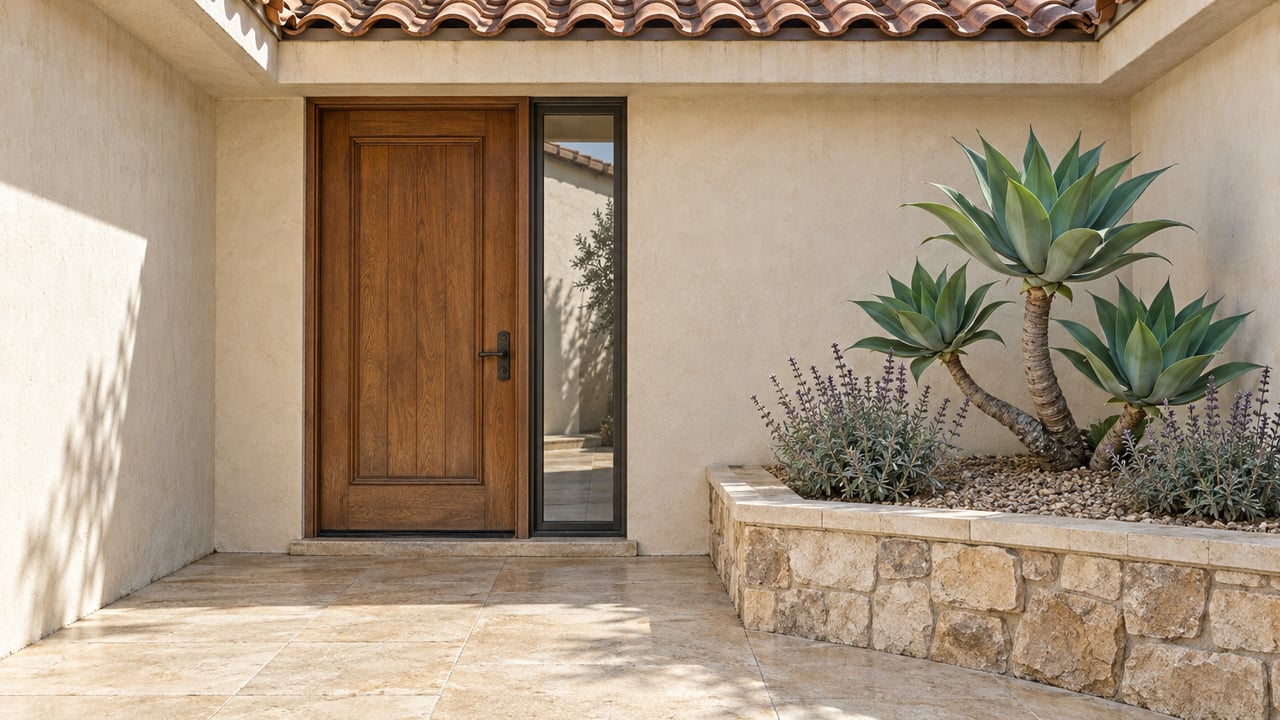
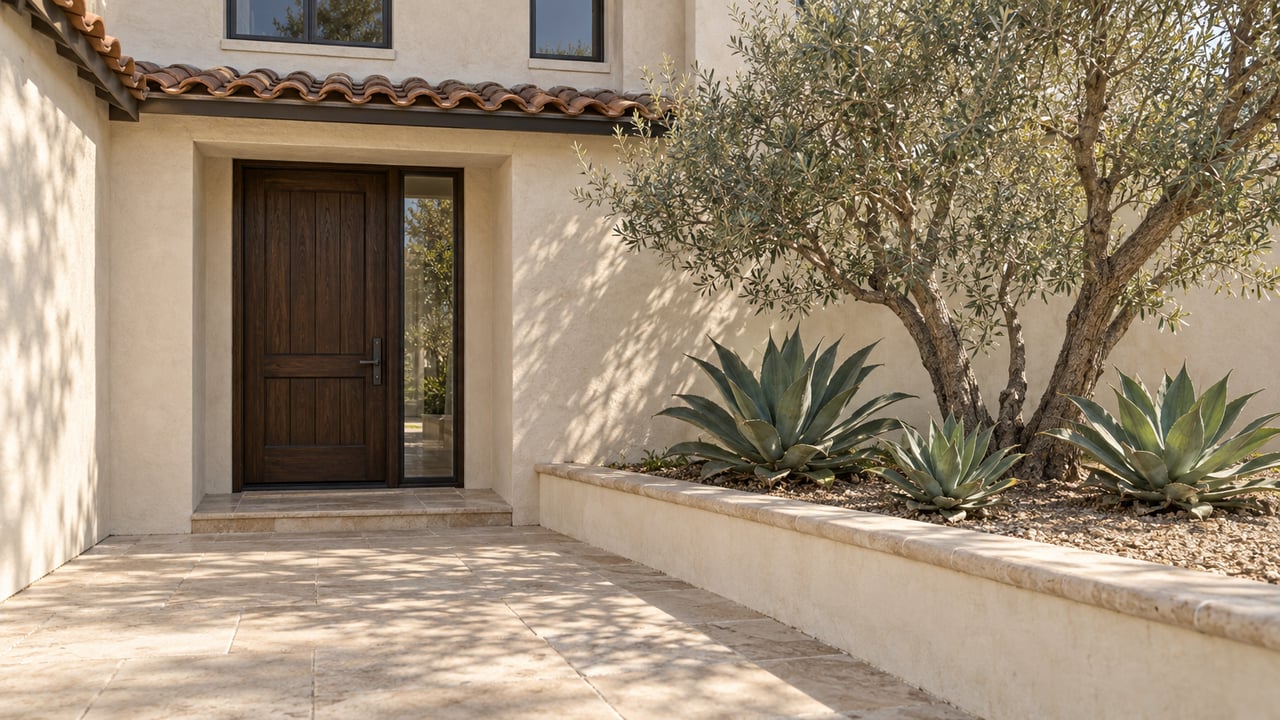
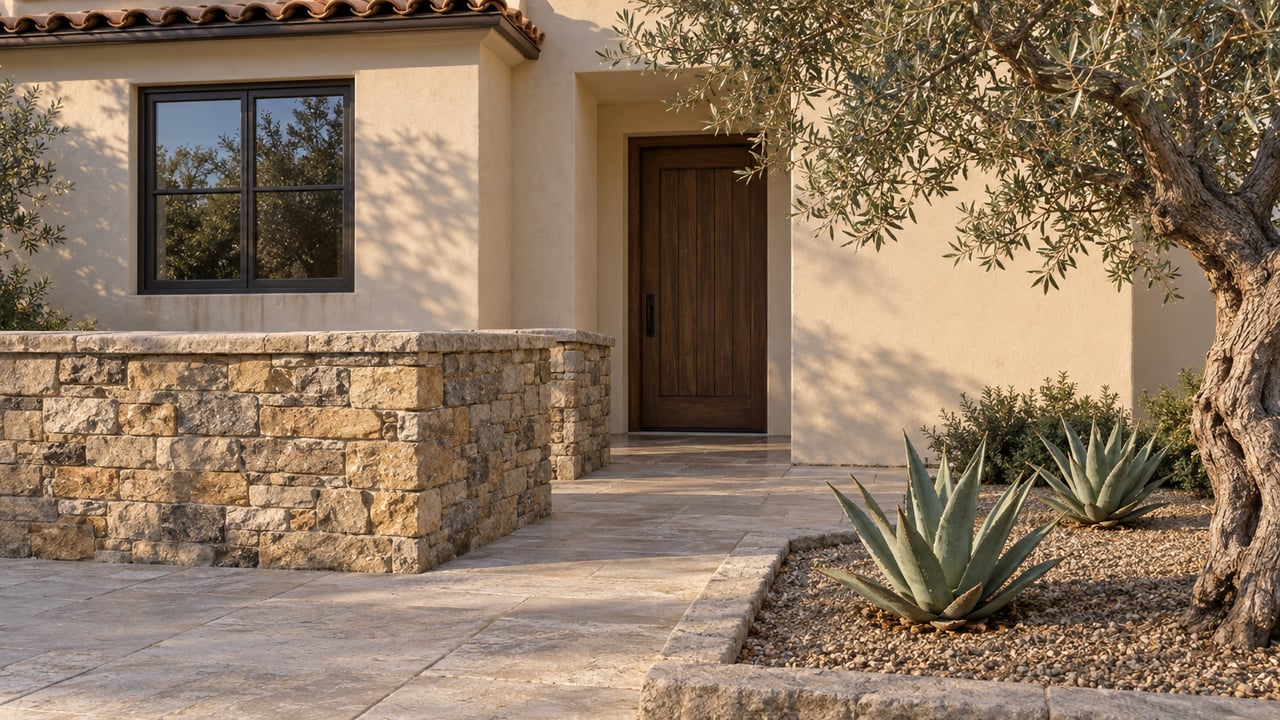
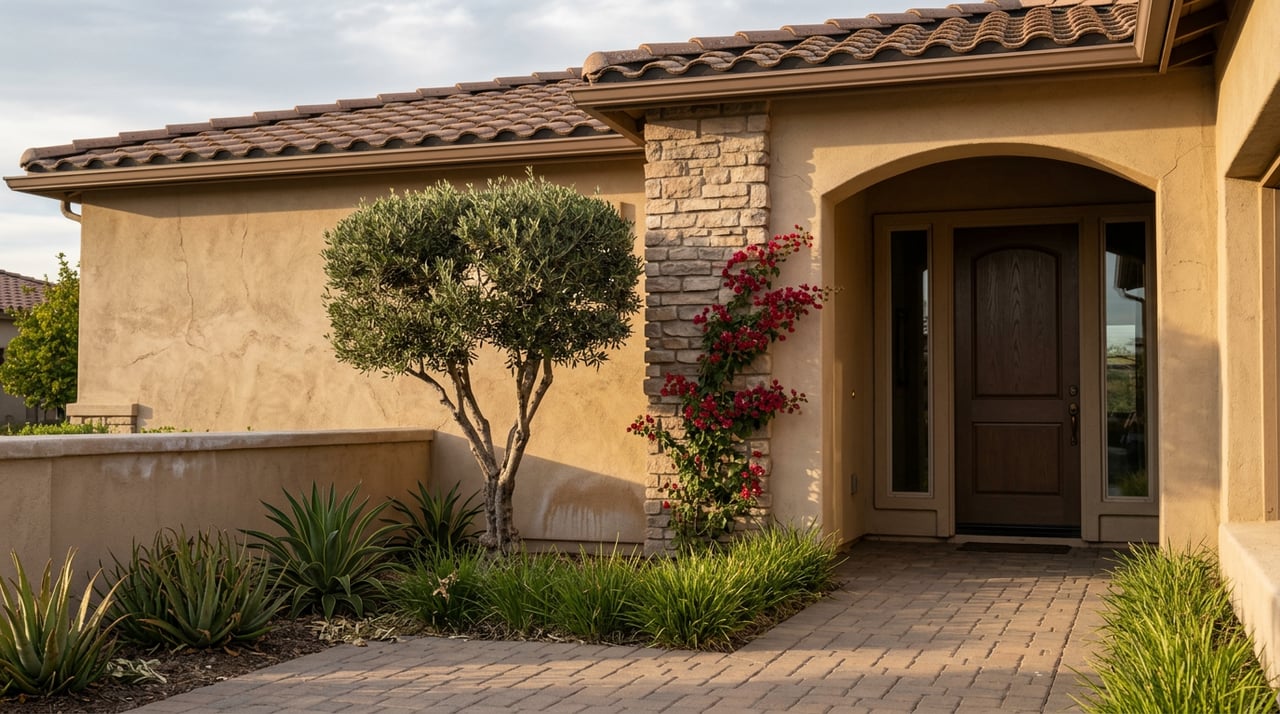
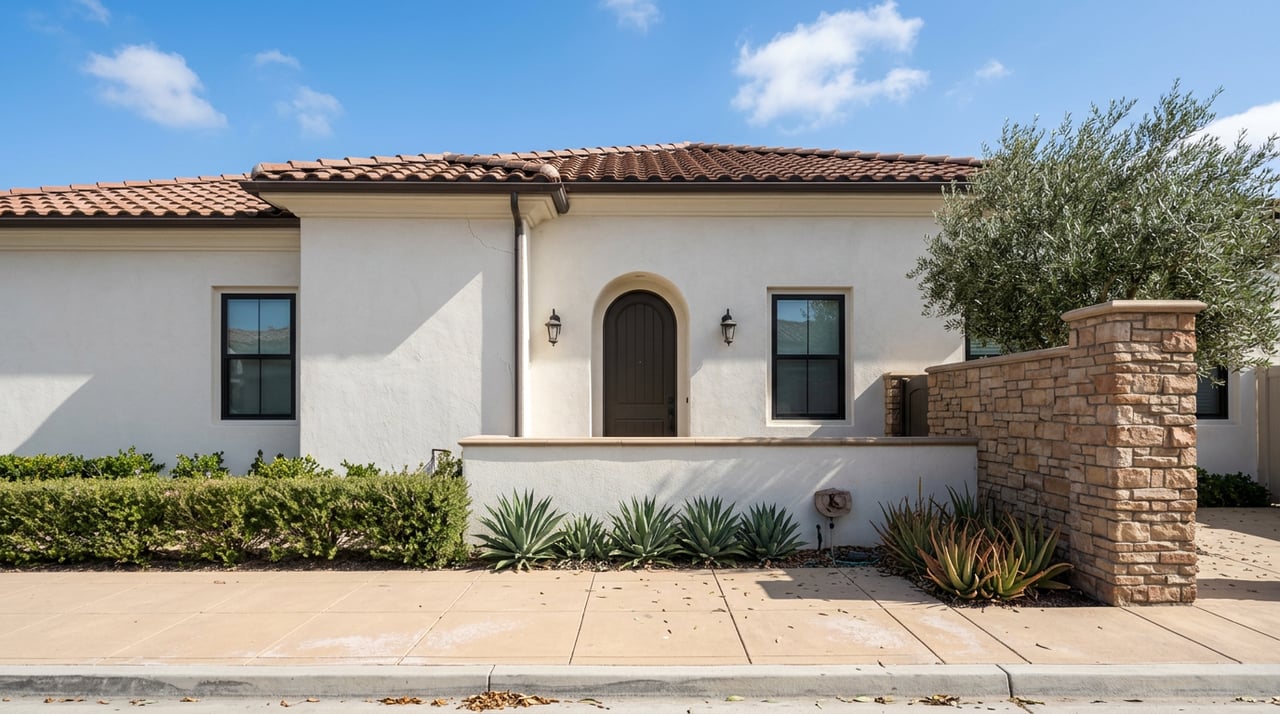
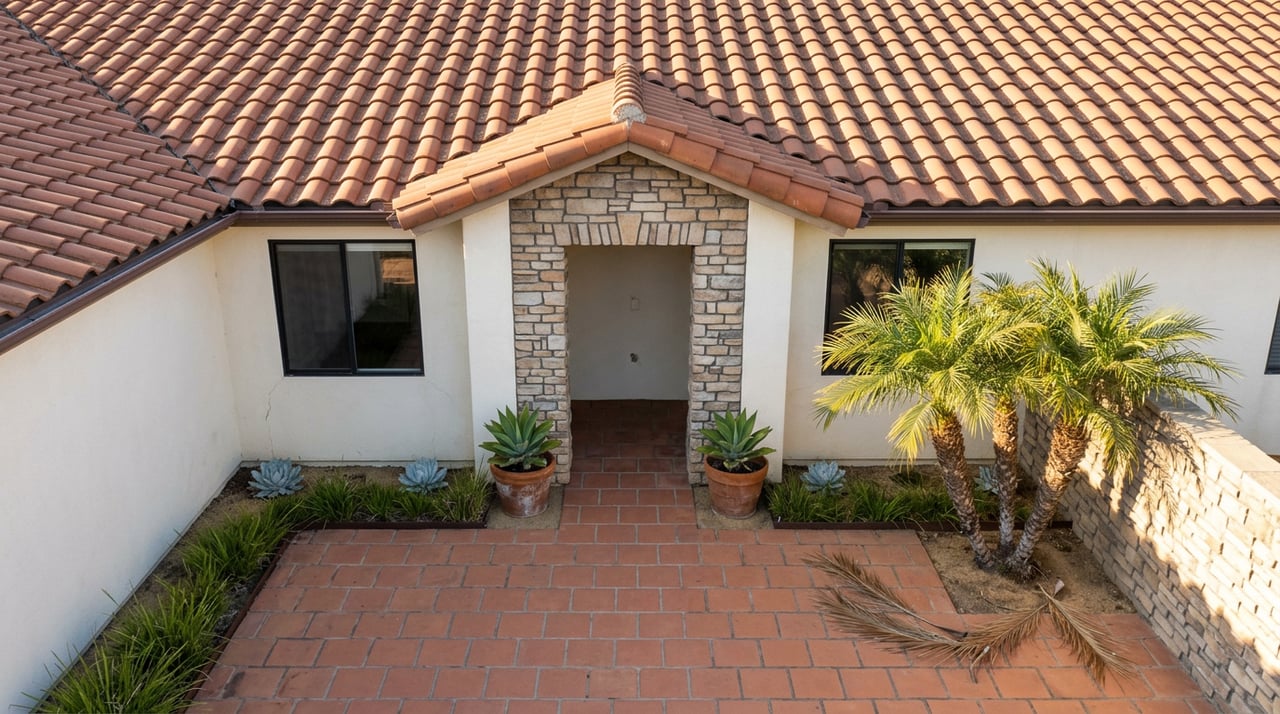
- Curb appeal refresh: $1,000 to $7,000, days to 2 weeks. High impact on first impressions and photos.
- Interior paint: $3,000 to $8,000 for a typical 1,500 to 2,500 sq ft home, 3 days to 2 weeks. Strong ROI for freshness and neutralizing.
- Minor kitchen refresh: $8,000 to $30,000+, 2 to 6 weeks. Cabinet paint or refacing, hardware, counters, lighting, sink and faucet.
- Full kitchen remodel: $30,000 to $100,000+, 6 to 12+ weeks. ROI varies by scope and materials.
- Bathroom refresh: $3,000 to $12,000, 1 to 3 weeks. Solid value for dated spaces.
- Full bath remodel: $12,000 to $40,000+, up to 6 weeks.
- Flooring updates: $2,000 to $15,000, days to weeks. High impact if current flooring is a clear detractor.
- Systems or safety repairs: costs vary. Prioritize HVAC, roof, electrical, or plumbing items that can affect financing or inspections.
ROI depends on scope, quality, and price band. In Riverside neighborhoods where buyers expect move-in-ready homes, midrange kitchen or bath refreshes can help you compete. In price bands where many homes sell as-is, you may see better returns from paint, curb appeal, lighting, and staging.
How to decide for your Riverside home
Start with how your home compares to recent comps in your immediate area. Buyer expectations vary across Riverside neighborhoods such as Citrus Heights, Arlington, and Canyon Crest. Some areas skew toward turnkey. Others tolerate modest updates.
Start with your constraints
Use this quick framework to narrow your plan:
- If you need to sell quickly or have a limited budget: prioritize declutter, deep clean, neutral paint, professional photos, and partial staging of key rooms. Skip major renovations unless a safety or financing issue requires repair.
- If you can wait 6 to 12+ weeks and your home is lagging competitors on condition: pick the highest-impact project, get 2 to 3 bids, line up any permits, then stage after completion.
- If the home is visually dated but structurally fine: focus on staging plus cosmetic updates such as paint, hardware, lighting, and curb appeal.
- If there are known systems issues or deferred maintenance: address those first to avoid appraisal or inspection problems. Staging cannot offset defects that block financing.
Run the numbers before you commit
Estimate your net proceeds under both plans so you can make a confident choice:
- Projected sale price without work (P0).
- Estimated uplift from staging only (ΔS) and from renovation (ΔR).
- Cost of staging (Cs) and renovation (Cr).
- Added carrying costs if renovations push your timeline.
- Net proceeds formula: Net = (P0 + Δ) − Cs or Cr − selling costs − carrying.
If renovation net comfortably beats staging net, and you accept the timeline and execution risk, move ahead. If not, stage well and list.
Photography and online presentation
Your buyer’s first impression is often a thumbnail image. Professional presentation increases click-through rates, showings, and offer activity.
Best practices:
- Stage before photos. Staged photos consistently outperform empty or cluttered rooms.
- Book a pro photographer who knows real estate composition. Budget about $150 to $600 for a standard shoot.
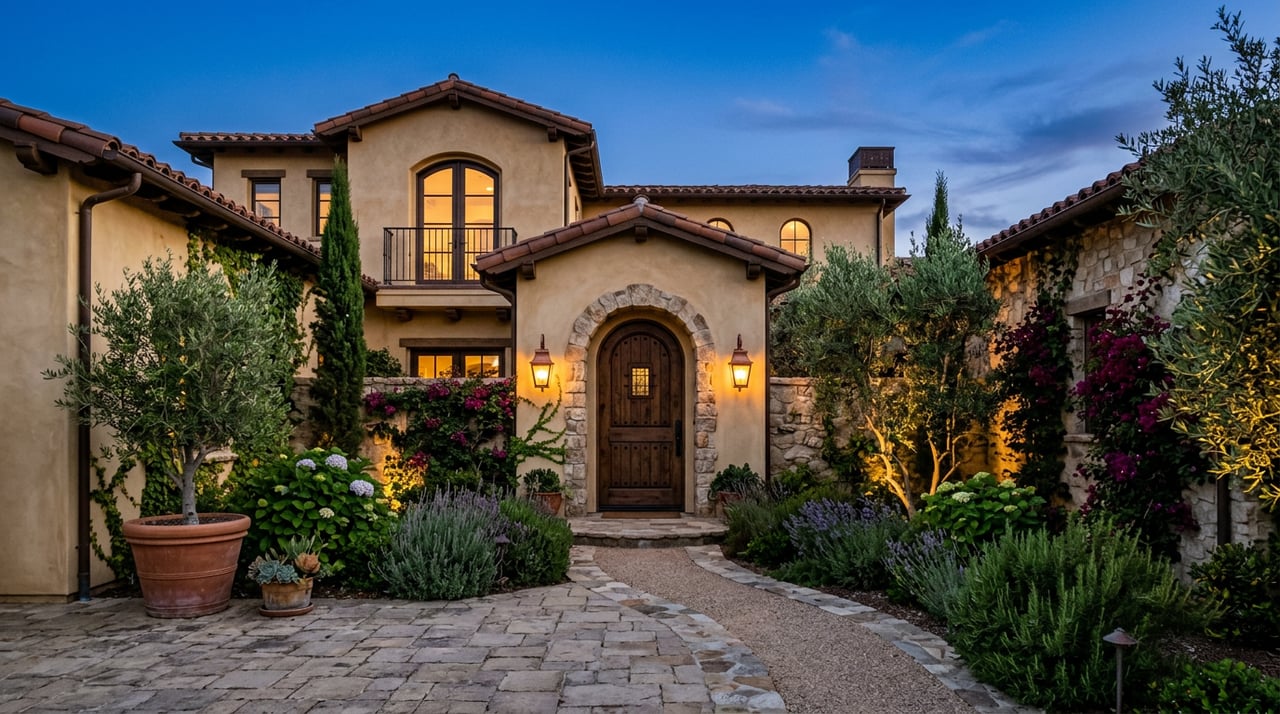
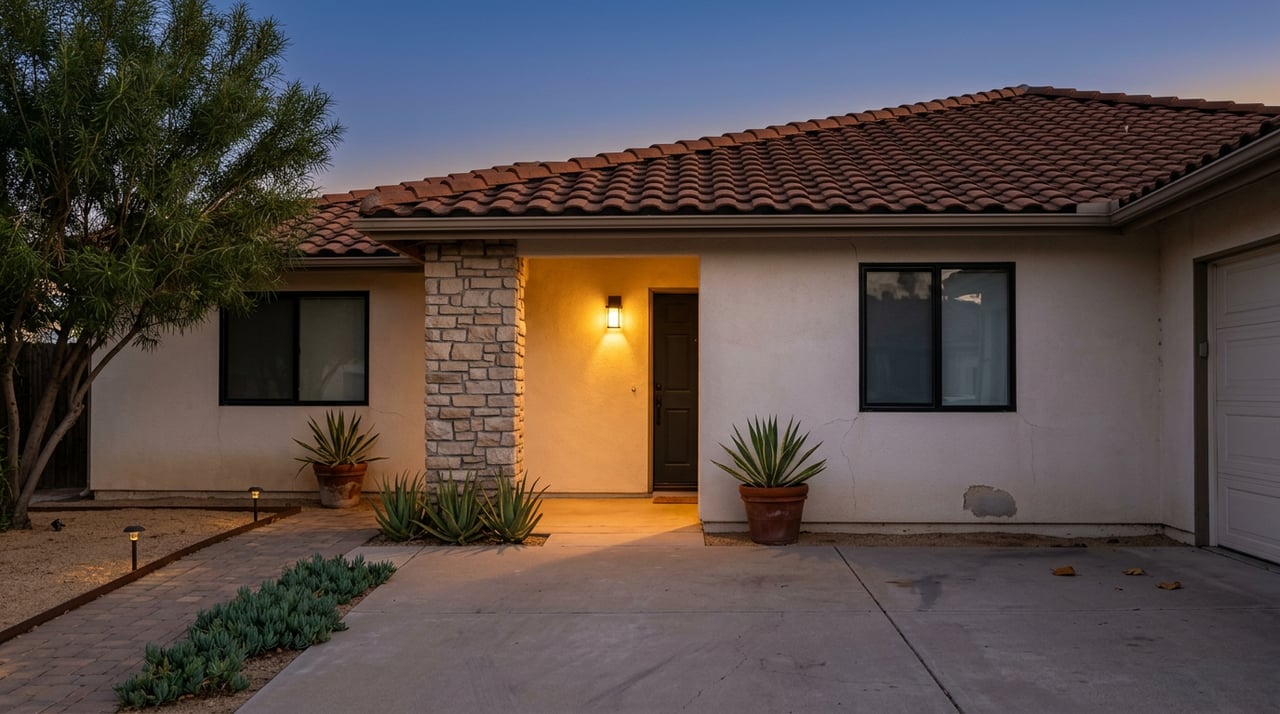
- Add exterior and twilight shots that highlight curb appeal and lot features. Consider floorplans or a 3D tour to boost buyer confidence and reduce days on market.
In Riverside price bands, a single high-quality shoot in the $300 to $500 range can materially improve online traffic.
Mini case study: staging-only vs. targeted refresh
This hypothetical example uses Riverside-based assumptions to show the math. It is not an appraisal. Use it as a template for your own numbers.
- Home: 3 bed, 2 bath single-family in a mid-Riverside neighborhood.
- Baseline likely sale price today (P0): $600,000.
- Selling costs: assume 6% total.
- Carrying cost: assume $1,500 per month.
Option A — Stage only
- Staging and photos: $4,000.
- Time to market: 2 weeks. Assume it sells in 30 days.
- Price uplift from staging: +2% of P0 = +$12,000.
- Gross sale price: $612,000.
- Selling costs at 6%: $36,720.
- Net after selling costs: $575,280.
- Net after staging cost: $571,280.
- Carrying cost is minimal with a quick sale. Final net about $569,780 to $571,280 depending on exact carry.
Option B — Targeted presale renovation
- Scope: midrange kitchen refresh plus interior paint and curb appeal.
- Renovation cost: $25,000.
- Staging and photos after work: $3,000.
- Total outlay: $28,000.
- Timeline: 8 weeks. Carrying costs: $3,000.
- Price uplift from renovation: +6% of P0 = +$36,000.
- Gross sale price: $636,000.
- Selling costs at 6%: $38,160.
- Net after selling costs: $597,840.
- Net after renovation, staging, and carrying: $566,840.
Comparison
- Stage-only net: about $571,000.
- Renovation net: about $567,000.
Takeaway
In this scenario, staging-only wins because renovation costs and carrying time eat into the higher sale price. Your outcome will depend on your scope, neighborhood comps, and execution quality. Run the math before you start.
Staging-first checklist
Use this if you need to list soon and your home is structurally sound.
- Declutter and deep clean. Remove excess furniture to open sight lines.
- Neutralize with paint where needed. Focus on main living areas and the entry.
- Repair obvious eyesores such as loose hardware, scuffed walls, and squeaky doors.
- Stage the living room, dining area, and primary bedroom. Add fresh linens and simple decor.
- Refresh curb appeal. Clean the walkway, add mulch, and paint the front door if needed.
- Book a professional photo shoot once staging is complete.
Reno-first checklist
Use this if you can wait 6 to 12+ weeks and you have a clear gap versus comps.
- Identify the single highest-impact project that brings you to the neighborhood standard.
- Get 2 to 3 contractor bids. Verify Riverside business licenses and insurance.
- Confirm permit needs with the City of Riverside for any structural, electrical, plumbing, or mechanical work.
- Order materials early to avoid delays. Lock in the schedule.
- Finish all work, pass inspections if required, then stage and photograph.
- Review comps again to price accurately now that the condition is improved.
Riverside permitting and practical tips
- Many structural, electrical, plumbing, and HVAC projects require permits in the City of Riverside. Factor 2 to 6+ weeks for permits and inspections based on scope.
- Cosmetic work like paint and non-structural finishes typically does not require permits.
- Verify contractor experience with local permits and inspections. Ask for references and proof of insurance.
- Choose low-maintenance, drought-tolerant landscaping that photographs well and supports Riverside’s climate. Outdoor living staging can be a smart add-on.
- Disclose material changes and any permitted work. Incomplete or unpermitted work can slow deals or affect appraisals.
Bottom line
If your home is safe, clean, and functional, staging plus strong photography is often the fastest and most cost-effective route to a great result. If your comps show a clear condition gap that buyers will penalize, a targeted refresh can unlock a higher price, provided the uplift outweighs the cost and time.
You do not have to guess. Get comps, apply the simple net proceeds math, and pick the plan that fits your goals and timeline. If you want trade-informed guidance and a hands-on partner to coordinate both presale work and premium marketing, connect with Jeremy and Nhi Hubacek for a free consultation.
FAQs
What does staging typically cost in Riverside?
- Most sellers spend between $1,000 and $4,000 for partial staging in occupied homes, with full vacant-home staging often ranging from $2,000 to $10,000+ depending on size and inventory.
How long do presale renovations take before listing?
- Simple cosmetic projects can wrap in days to a couple of weeks, while kitchen or bath refreshes often take 2 to 6 weeks. Larger remodels can extend 6 to 12+ weeks, plus permit time if required.
Do I need permits for presale work in Riverside?
- Permits are typically required for structural, electrical, plumbing, and mechanical HVAC work. Cosmetic updates like paint and finishes usually do not. Build in 2 to 6+ weeks for permits and inspections when needed.
Which projects tend to deliver better ROI before selling?
- Low-cost, high-visibility items such as paint, curb appeal, lighting, and professional photos often deliver strong short-term ROI. Midrange kitchen or bath refreshes can pay when they bring the home up to the neighborhood standard.
Does professional photography really make a difference?
- Yes. Better visual presentation improves online engagement, which leads to more showings and stronger offers. Plan to stage first, then invest in a quality photo set and consider select add-ons like twilight shots or a 3D tour.
How can I decide between staging and renovating for my specific home?
- Compare your home to 3 to 6 recent comps, estimate price uplift from staging versus a targeted refresh, and use the net proceeds formula that factors costs, selling fees, and carrying time. Choose the option with the stronger net that fits your timeline and risk tolerance.
What if I need to sell quickly and have a tight budget?
- Focus on decluttering, neutral paint, basic repairs, partial staging for key rooms, and professional photos. Skip major renovations unless you must address a safety or financing issue to keep the deal on track.