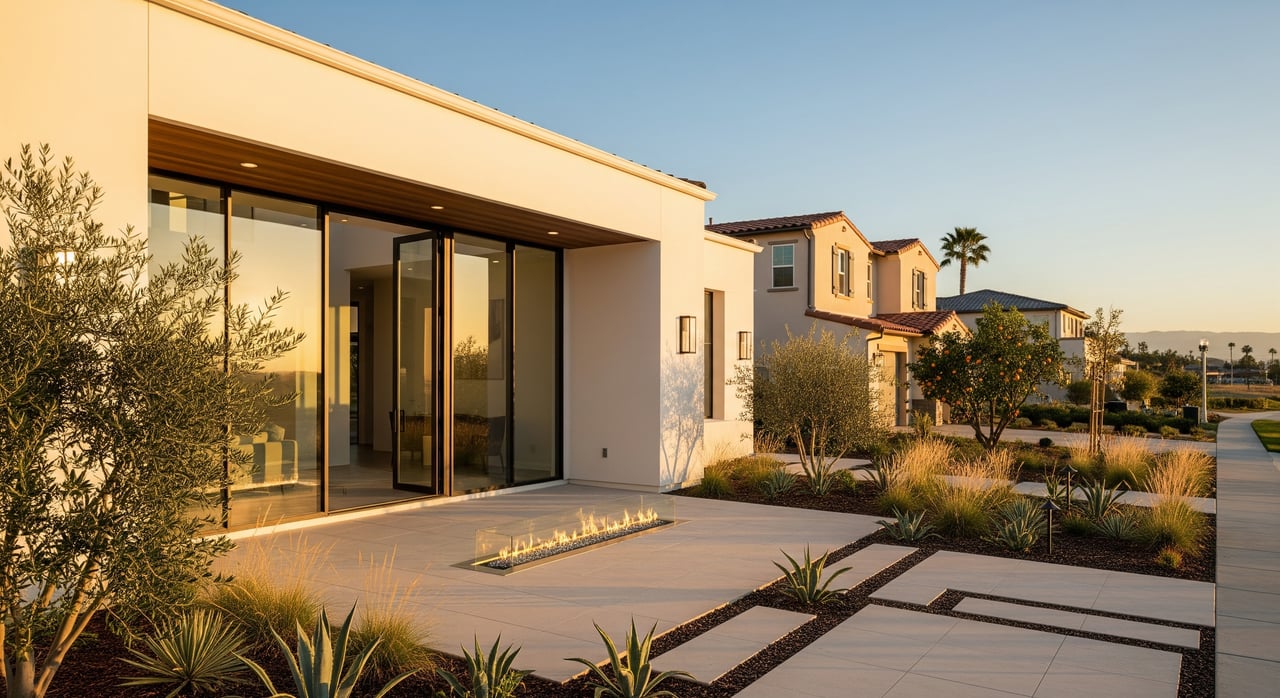
Menifee New vs Resale Homes: Which Fits You Best?
December 18, 2025
December 18, 2025
Thinking about buying in Menifee and torn between a brand‑new build or a move‑in ready resale? You are not alone. Your decision affects timelines, warranties, fees, lot sizes, personalization options, and future resale potential. This guide breaks down each factor in plain language and gives you a worksheet to compare total cost and fit for your life. Let’s dive in.
Menifee offers a mix of established resale neighborhoods, active master‑planned communities with production builders, and age‑restricted areas such as Sun City. New phases often bring modern floor plans and amenities. Older resale areas tend to have a wider range of lot sizes and more mature landscaping. Your best fit depends on your timing, how much customization you want, and your comfort with ongoing nearby construction.
Many California builders follow a “1‑2‑10” style warranty: typically 1 year for workmanship, 2 years for systems like plumbing and electrical, and 10 years for major structural defects. Always ask for the actual written warranty, what it covers and excludes, who backs it, whether it is transferable, and how the claim process works. If you buy new, document issues early and submit requests in writing within the required time windows.
With resales, a builder warranty usually does not apply unless still in effect and transferable. You can purchase a stand‑alone home warranty for one year of coverage on appliances and systems, but expect exclusions and dollar caps. Some sellers offer a warranty as an incentive, though coverage of preexisting conditions is limited.
If you purchase a move‑in ready spec home from a builder, your timeline may resemble a typical resale closing, with added builder steps like a new‑home orientation. If you choose a lot‑to‑build or a production home early in the cycle, expect several months for permitting, construction, and inspections. Ask for a written schedule with milestone dates and selection deadlines so you know when choices lock.
Most California resale escrows run about 30 to 45 days depending on financing, inspections, and appraisals. If you are selling while buying, your plan might include a sale contingency, bridge financing, or a rent‑back to smooth the move. In either path, clarify lender timelines and any builder rules about preferred lenders.
Newer subdivisions often have narrower lots to increase density, though some master‑planned areas include a mix of yard sizes and shared amenities. Older Menifee neighborhoods frequently feature larger parcels, mature trees, and established landscaping. Menifee’s topography varies, so consider orientation, slope, and solar exposure when evaluating yard usability and future hardscape plans.
Before you commit, review lot maps and parcel data for actual dimensions and setbacks. Ask about landscape responsibilities, fencing rules, and whether corner or view lots carry special restrictions. If you want room for an ADU or pool later, verify guidelines early.
New construction lets you pick finishes like flooring, cabinetry, and counters, and sometimes structural options. Builder upgrades can cost more than standard finishes, but you avoid demolition and downtime after closing. Late change orders may be expensive and can delay completion, so track selection deadlines.
With a resale, you can see exactly what you are buying and often negotiate credits to offset cosmetic updates. You might find a resale with high‑end owner upgrades at a lower premium than equivalent builder options. To compare costs, line up the builder’s upgrade sheet with local contractor quotes for similar work and factor in disruption and financing.
New communities often include monthly HOA dues for amenities and common areas, plus special tax assessments known as Community Facilities Districts or Mello‑Roos. These assessments finance infrastructure and can vary by development and duration. Always review the actual tax bill lines for a specific parcel to see the amounts and expiration details.
Established HOAs in resale communities have histories you can review during escrow. Look at budgets, reserve studies, meeting minutes, insurance, and any litigation. Whether buying new or resale, confirm all recurring fees before you finalize your offer so your monthly budget is accurate.
Future value depends on community type, proximity to shopping and parks, commute routes, and whether nearby building is ongoing. Builder reputation and how well warranty service is handled can also shape resale perception down the road. To compare neighborhoods, look at median sale price, price per square foot, inventory, days on market, and price reduction patterns over the past 3 to 5 years.
If you are considering a brand‑new tract, ask about absorption rates and how quickly recent phases have sold. If nearby construction will continue for years, weigh your tolerance for temporary noise and traffic against the benefits of a fresh home.
Choose new construction if you want modern systems, warranty coverage, and the ability to personalize finishes up front. This route suits buyers who can be flexible on timing and are comfortable with construction activity in the area. It also fits if you value brand‑new mechanicals and lower early‑years maintenance.
Choose resale if you need a quicker, more predictable move‑in date and prefer an established setting with mature landscaping. Resales let you evaluate the finished product and sometimes avoid newer community assessments. You can often negotiate credits for updates and shop for a wider variety of lot sizes and locations.
Use the fields below to compare specific homes side by side. Print this section or copy it into a notes app.
(Repeat for kitchen, bath, flooring, AC, fencing, garage door, etc.)
Rate each 1 to 5 (5 means very important):
As a boutique team with hands‑on construction roots, we help you compare real upgrade costs, read through warranty details, and size up long‑term maintenance. We guide you through builder contracts versus standard resale forms so you know what to expect at each step. We also map fees like HOA and Mello‑Roos to your monthly budget and build a timeline that fits your move, whether you buy new or resale.
If you want a clear, side‑by‑side plan and a trusted advocate from offer to keys, let’s talk. Schedule your free planning call with Jeremy and Nhi Hubacek.
Stay up to date on the latest real estate trends.

We pride ourselves in providing personalized solutions that bring our clients closer to their dream properties and enhance their long-term wealth. Contact us today to discuss all your real estate needs!
THE HOME EXPERT GROUP
5053 LA MART DR STE 206 RIVERSIDE, CA 92507 Jeremy Hubacek | CA DRE# 02039207